
Creating a personalized wellness plan starts with understanding where you stand right now. Self-assessment tools give busy professionals, health-conscious individuals, and anyone feeling overwhelmed a clear snapshot of their current wellness state without expensive tests or doctor visits.
These practical tracking methods help you identify patterns you might miss in daily life. A sleep quality tracker reveals why you wake up tired despite getting eight hours. A stress load scale shows which situations drain your energy most. Your digestion journal uncovers food triggers affecting your gut health and mood.
We'll walk through how to use each assessment tool effectively, then show you how to turn your findings into an integrated wellness action plan that fits your real life. You'll learn to map your natural energy rhythms and create sustainable changes based on your actual data, not generic advice.
Understanding Your Current Wellness State Through Self-Assessment

Identify Personal Health Patterns and Triggers
Your body communicates with you constantly through subtle signals and obvious symptoms. Learning to decode these messages starts with paying attention to the patterns that emerge in your daily life. Most people live on autopilot, missing the valuable information their body provides about what works and what doesn't.
Start by noticing when you feel most energized during the day. Does your energy peak at 10 AM and crash at 3 PM? Do you feel revitalized after certain meals or sluggish after others? These aren't random occurrences – they're your personal wellness fingerprint.
Food sensitivities often hide behind seemingly unrelated symptoms. That afternoon brain fog might connect to the sandwich you ate at lunch. The restless sleep could link to your evening coffee habit or that late dinner. Emotional patterns matter too. Stress from work meetings might trigger digestive issues, or relationship conflicts could disrupt your sleep quality.
Track your mood alongside physical symptoms. Notice if certain activities, people, or environments consistently affect how you feel. Maybe you always feel anxious after scrolling social media, or you sleep better on days when you exercise outdoors. These connections reveal your unique triggers and boosters.
Weather, seasons, and hormonal cycles also influence your wellness patterns. Some people feel energized by rainy days while others need sunshine to thrive. Women might notice energy and mood fluctuations tied to their menstrual cycle. Men can experience similar patterns related to natural testosterone rhythms.
Establish Baseline Measurements for Improvement Tracking
Creating a clear starting point gives you the power to measure real progress rather than relying on vague feelings of "better" or "worse." Your baseline becomes your reference point for celebrating wins and identifying areas that need attention.
Choose specific, measurable markers that matter to your daily life. Instead of "I want to sleep better," track how many hours you actually sleep and rate your sleep quality from 1-10 each morning. Rather than "I need less stress," use a simple scale to rate your stress level throughout the day.
Key Baseline Measurements:
-
Sleep Duration: Average hours per night over one week
-
Sleep Quality: Morning rating (1-10 scale)
-
Energy Levels: Hourly ratings throughout the day
-
Stress Intensity: Daily peak and average levels
-
Digestive Comfort: Post-meal ratings and bowel movement frequency
-
Mood Stability: Daily emotional range and intensity
-
Physical Symptoms: Frequency and severity of headaches, joint pain, or other recurring issues
Document these measurements for at least one full week before making any changes. This gives you genuine data rather than assumptions about your current state. Many people discover they sleep less or feel more stressed than they realized once they start tracking objectively.
Use simple tools that don't create additional stress. A basic notebook, phone notes, or simple app works better than complicated systems you'll abandon after a few days. The goal is consistency, not perfection.
Recognize Interconnections Between Different Wellness Factors
Your body operates as an integrated system where every component affects every other component. Sleep quality influences stress levels, which impact digestion, which affects energy, which circles back to influence sleep. Understanding these connections helps you make strategic changes that create positive ripple effects.
Poor sleep doesn't just make you tired – it disrupts hormone production, weakens immune function, and increases stress hormones like cortisol. High cortisol levels then interfere with digestion and can trigger inflammation throughout your body. This creates a cycle where sleep problems compound other health issues.
Stress manifests physically in countless ways. Chronic stress can cause digestive problems, muscle tension, headaches, and sleep disruption. But the reverse is also true – physical discomfort creates mental stress, and digestive issues can trigger anxiety through the gut-brain connection.
Your digestive system produces many of the same neurotransmitters found in your brain, including serotonin, which regulates mood and sleep. When digestion is off, it can directly impact your emotional state and sleep quality. This explains why people often experience mood changes when they change their diet.
Energy patterns connect to all other factors. Natural circadian rhythms affect when you feel alert or sleepy, but these rhythms can be disrupted by artificial light, irregular meal times, or chronic stress. When your energy rhythm is off, it throws everything else out of balance.
Common Wellness Interconnections:
| Primary Factor | Secondary Effects |
|---|---|
| Poor Sleep | Increased stress, digestive issues, energy crashes, mood swings |
| Chronic Stress | Sleep disruption, digestive problems, immune weakness, muscle tension |
| Digestive Problems | Mood changes, energy fluctuations, sleep quality issues, increased stress |
| Energy Imbalances | Poor sleep, increased stress sensitivity, digestive timing issues |
Recognizing these connections allows you to address root causes rather than just symptoms. Instead of treating each issue separately, you can make targeted changes that improve multiple areas simultaneously.
Sleep Quality Tracker: Optimizing Your Restorative Hours
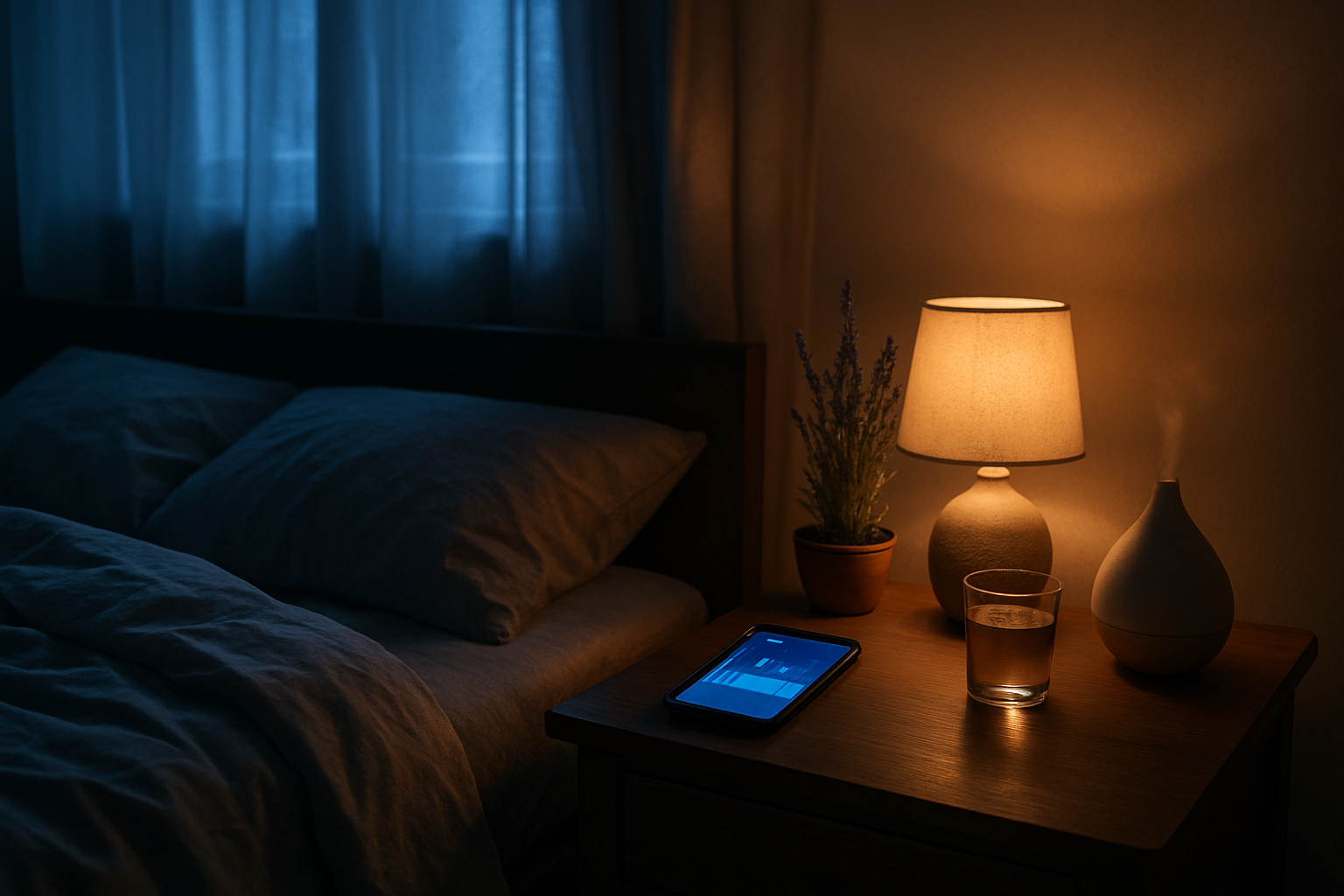
Monitor Sleep Duration and Consistency Patterns
Quality sleep starts with understanding your personal sleep patterns. Most adults need 7-9 hours of sleep, but your optimal amount might fall anywhere within this range. Start tracking your bedtime and wake time daily for at least two weeks to establish baseline patterns.
Create a simple log that includes:
-
Bedtime and actual sleep onset time
-
Wake time (natural vs. alarm)
-
Total hours slept
-
Number of nighttime awakenings
-
Morning alertness rating (1-10)
Pay special attention to consistency. Your body thrives on routine, and irregular sleep schedules can disrupt your circadian rhythm even when you get enough total hours. Notice patterns in your data: Do you sleep better on certain days of the week? Are there specific times when falling asleep becomes challenging?
Weekend sleep patterns often reveal important insights. If you consistently sleep 2+ hours longer on weekends, you're likely carrying a sleep debt from the workweek. This "social jet lag" can leave you feeling groggy and unfocused.
Track Sleep Environment Factors Affecting Quality
Your sleep environment plays a massive role in sleep quality, yet many people overlook these controllable factors. Document environmental conditions each night to identify what works best for your body.
Temperature and Air Quality
Record your bedroom temperature and note your comfort level. Most people sleep best between 60-67°F (15-19°C). Track humidity levels if possible, as dry air can cause throat irritation and frequent wake-ups.
Light and Noise Exposure
Document light sources in your bedroom, including:
-
Street lights through windows
-
Electronic device lights (alarm clocks, phone chargers, TV standby lights)
-
Early morning sunlight exposure
Note noise levels and sources. Even sounds that don't fully wake you can fragment your sleep cycles. Common culprits include traffic, neighbor activity, or a snoring partner.
Bedding and Comfort Factors
Track how different pillows, mattress firmness, and bedding materials affect your sleep. Note when you last washed your sheets and whether cleanliness impacts your comfort.
Identify Lifestyle Habits Impacting Sleep Performance
Your daytime choices directly influence nighttime sleep quality. Track these key lifestyle factors alongside your sleep data:
Caffeine and Stimulants
Record all caffeine intake with timestamps. Coffee, tea, chocolate, and some medications contain caffeine. Many people don't realize caffeine can affect sleep even when consumed 6-8 hours before bedtime.
Evening Activities and Screen Time
Document your activities in the 2-3 hours before bed:
-
Screen usage (phones, tablets, TV, computers)
-
Physical activity intensity and timing
-
Meal timing and size
-
Alcohol consumption
-
Stress-inducing activities (work emails, difficult conversations)
Pre-Sleep Routine
Note what you do in the 30-60 minutes before attempting sleep. Consistent routines signal your body to prepare for rest.
Use Data to Create Personalized Sleep Optimization Strategies
After collecting 2-4 weeks of data, patterns will emerge that guide your personalized approach. Look for correlations between environmental factors, lifestyle choices, and sleep quality ratings.
Create Your Sleep Optimization Protocol
| Factor | Current Challenge | Optimization Strategy |
|---|---|---|
| Sleep Duration | Inconsistent bedtimes | Set fixed bedtime with 30-minute buffer |
| Environment | Too bright/noisy | Blackout curtains, white noise machine |
| Pre-sleep Routine | Screen time before bed | Replace with reading or gentle stretching |
| Caffeine | Afternoon coffee affecting sleep | Cut off caffeine by 2 PM |
Start with the changes that show the strongest correlation with poor sleep in your data. Implement one modification at a time, continuing to track results for at least one week before adding another change.
Focus on building sustainable habits rather than perfect conditions. Small, consistent improvements compound over time, leading to dramatically better sleep quality and daytime energy levels.
Stress Load Scale: Measuring and Managing Life Pressures
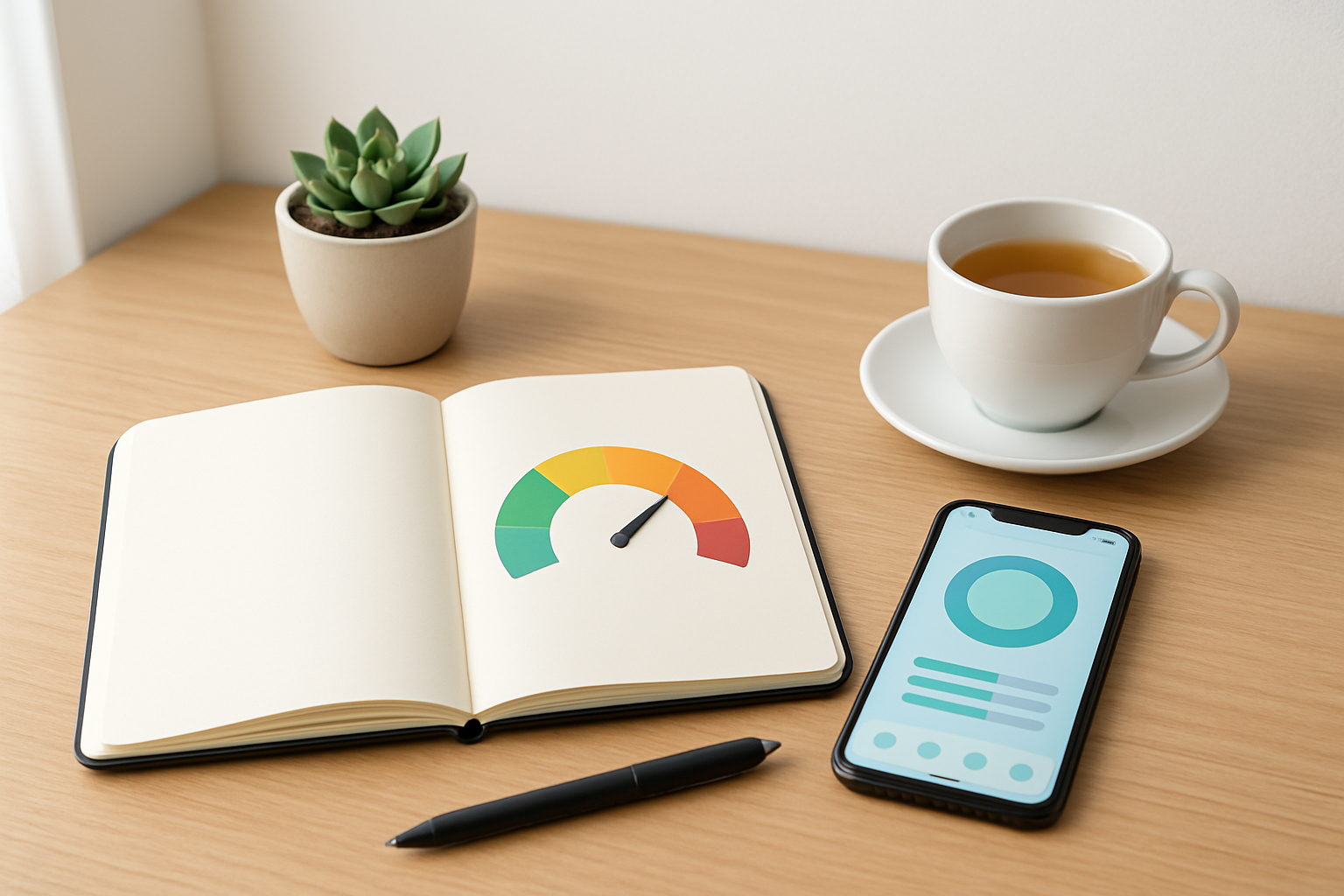
Quantify Daily Stress Levels Across Different Life Areas
Creating an effective stress load scale starts with breaking down your life into distinct areas where pressure accumulates. Think of stress as having different flavors—work stress feels different from relationship stress, which differs from financial worries or health concerns.
Start by identifying your key stress domains:
| Life Area | Daily Rating (1-10) | Peak Times | Common Triggers |
|---|---|---|---|
| Work/Career | |||
| Relationships | |||
| Finances | |||
| Health | |||
| Family | |||
| Personal Goals |
Rate each area daily on a scale of 1-10, where 1 represents complete calm and 10 indicates overwhelming pressure. This isn't about finding the "right" number—it's about tracking your personal stress fingerprint over time.
Pay attention to how different stressors compound each other. A challenging work project might register as a 6, but when combined with family obligations and financial concerns, your overall stress load could spike to an 8 or 9. This cumulative effect often catches people off guard, leading to sudden burnout or emotional overwhelm.
Identify Your Unique Stress Triggers and Warning Signs
Your body broadcasts stress signals long before you consciously recognize the pressure building. These early warning signs are your personal stress vocabulary, and learning to read them transforms your ability to manage pressure proactively.
Physical warning signs might include:
-
Tension in specific muscle groups (jaw, shoulders, neck)
-
Changes in sleep patterns or appetite
-
Digestive issues or headaches
-
Restlessness or fatigue
-
Skin changes or frequent illness
Emotional and mental indicators often show up as:
-
Increased irritability or mood swings
-
Difficulty concentrating or making decisions
-
Racing thoughts or constant worry
-
Feeling overwhelmed by routine tasks
-
Loss of motivation or joy in activities
Behavioral changes can include:
-
Procrastination or avoidance
-
Social withdrawal or increased conflict
-
Changes in eating, drinking, or exercise habits
-
Neglecting self-care routines
-
Increased reliance on coping mechanisms
Document these patterns in your stress scale. Note which triggers consistently lead to which warning signs. Some people clench their jaw when work pressure builds, while others experience stomach issues during relationship conflicts. Your pattern is unique to you.
Track Stress Patterns to Predict Peak Pressure Periods
Stress rarely strikes randomly—it follows predictable patterns based on your life rhythm, seasonal changes, and recurring commitments. By tracking these patterns, you can anticipate high-stress periods and prepare accordingly.
Weekly patterns often revolve around work schedules. Monday mornings might consistently rate higher due to weekend-to-workweek transitions, while Friday afternoons could spike with deadline pressure. Note how your stress levels fluctuate throughout each day too—many people experience peaks during specific hours.
Monthly and seasonal patterns reveal longer-term stress cycles. Budget reviews, quarterly reports, family gatherings, or anniversary dates of significant events can create predictable stress spikes. Women may notice hormonal influences on their stress tolerance throughout their monthly cycle.
Annual patterns might include:
-
Tax season stress
-
Holiday family dynamics
-
Back-to-school chaos
-
Anniversary reactions
-
Seasonal mood changes
-
Vacation planning pressure
Track these patterns for at least 30 days to identify your personal stress calendar. Mark anticipated high-stress periods and plan protective strategies in advance.
Develop Targeted Stress Reduction Techniques Based on Your Profile
Generic stress management advice falls short because stress manifests differently for everyone. Your stress load scale data reveals which techniques will work best for your specific stress profile.
For work-related stress, consider:
-
Time-blocking techniques for overwhelming schedules
-
Boundary-setting strategies for excessive demands
-
Communication scripts for difficult conversations
-
Environmental modifications to reduce distractions
Relationship stress might respond better to:
-
Conflict resolution frameworks
-
Expectation management techniques
-
Social support network expansion
-
Emotional regulation practices
Physical stress symptoms often improve with:
-
Progressive muscle relaxation targeting your tension areas
-
Breathing exercises matched to your stress response
-
Movement practices that counteract your physical patterns
-
Sleep hygiene adjustments based on your stress-related sleep issues
Create a personalized stress intervention toolkit. Match each technique to specific stress levels—gentle breathing exercises for level 3-4 stress, more intensive practices for levels 7-8. This targeted approach ensures you're not bringing a hammer to situations that need a feather touch, or vice versa.
Your stress load scale becomes most powerful when you use it consistently and adjust your strategies based on what you discover about your unique stress signature.
Digestion Journal: Unlocking Your Gut Health Secrets

Record Food Intake and Digestive Responses
Your digestive system talks to you constantly – the key is learning to listen. Start tracking what you eat and how your body responds within two to four hours afterward. Create simple entries that capture both the basics and the details that matter.
Note the time you eat, what you consume (including portion sizes), and rate your digestive comfort on a scale of 1-10. Pay attention to bloating, gas, stomach pain, energy levels, and bowel movement patterns. Don't forget about beverages – coffee, alcohol, and even different types of water can trigger responses.
Track your eating environment too. Were you stressed, rushing, or relaxed? Did you eat while working or watching TV? Your nervous system directly impacts digestion, so context matters as much as content.
Use a smartphone app, notebook, or simple spreadsheet. The method doesn't matter – consistency does. Aim for at least two weeks of detailed tracking to spot meaningful patterns.
Identify Problematic Foods and Optimal Meal Timing
After collecting data, patterns will emerge. Some people discover they can't handle dairy after 2 PM, while others find that raw vegetables cause issues when eaten alone but work fine with protein.
Look for foods that consistently correlate with digestive discomfort. Common culprits include gluten, dairy, high-FODMAP foods, artificial sweeteners, and processed ingredients. But your triggers might be completely different – maybe it's nightshades, nuts, or even healthy foods like kale.
Timing patterns often reveal surprising insights. Many people function better with larger meals earlier in the day when digestive fire runs strongest. Others need smaller, frequent meals to maintain stable blood sugar and comfortable digestion.
Pay attention to meal spacing too. Eating every two hours might seem healthy, but your digestive system needs downtime between meals to complete its cleaning cycles. Most people benefit from 3-4 hours between meals and 12-14 hours overnight without food.
| Timing Pattern | Potential Benefits | Best For |
|---|---|---|
| 3 larger meals | Better digestion, stable energy | People with strong digestion |
| 4-5 smaller meals | Steady blood sugar | Those with hypoglycemia |
| Intermittent fasting | Digestive rest, cellular repair | Metabolically flexible individuals |
Track the Connection Between Emotions and Digestion
Your gut contains more nerve endings than your spinal cord, earning its nickname as the "second brain." Stress, anxiety, excitement, and anger directly impact digestive function through the gut-brain axis.
Record your emotional state before meals and note any digestive changes. Stress hormones like cortisol slow digestion and redirect blood flow away from your digestive organs. Anxiety can trigger acid production or cause your stomach to empty too quickly.
Watch for patterns around specific emotions. Some people get constipated during stressful periods, while others experience loose stools. Relationship conflicts, work deadlines, or family drama might correlate with specific digestive symptoms.
Track your eating behaviors during different emotional states. Do you eat faster when stressed? Choose different foods when sad or celebrating? Skip meals when anxious? These behavioral changes compound the direct physiological effects of emotions on digestion.
Create Personalized Dietary Guidelines for Better Gut Health
Transform your tracking data into actionable guidelines that work for your unique system. Start with the biggest problem foods and remove or reduce them first. You might need to eliminate suspected triggers for 2-4 weeks, then reintroduce them systematically to confirm connections.
Build your optimal meal structure based on timing discoveries. If you digest better with larger breakfasts and lighter dinners, plan your meal prep accordingly. If you need protein with every meal to avoid blood sugar crashes, stock up on quality options.
Create environmental guidelines too. Maybe you need 10 minutes of deep breathing before meals, or perhaps eating without distractions improves your digestion significantly.
Develop backup plans for challenging situations. How will you handle work lunch meetings when you know you digest better in calm environments? What portable snacks support your digestion when travel disrupts your routine?
Your personalized guidelines should be specific, realistic, and flexible enough to adapt as your health evolves. Review and adjust them quarterly as you continue learning about your unique digestive patterns.
Energy Rhythm Mapping: Maximizing Your Natural Power Cycles
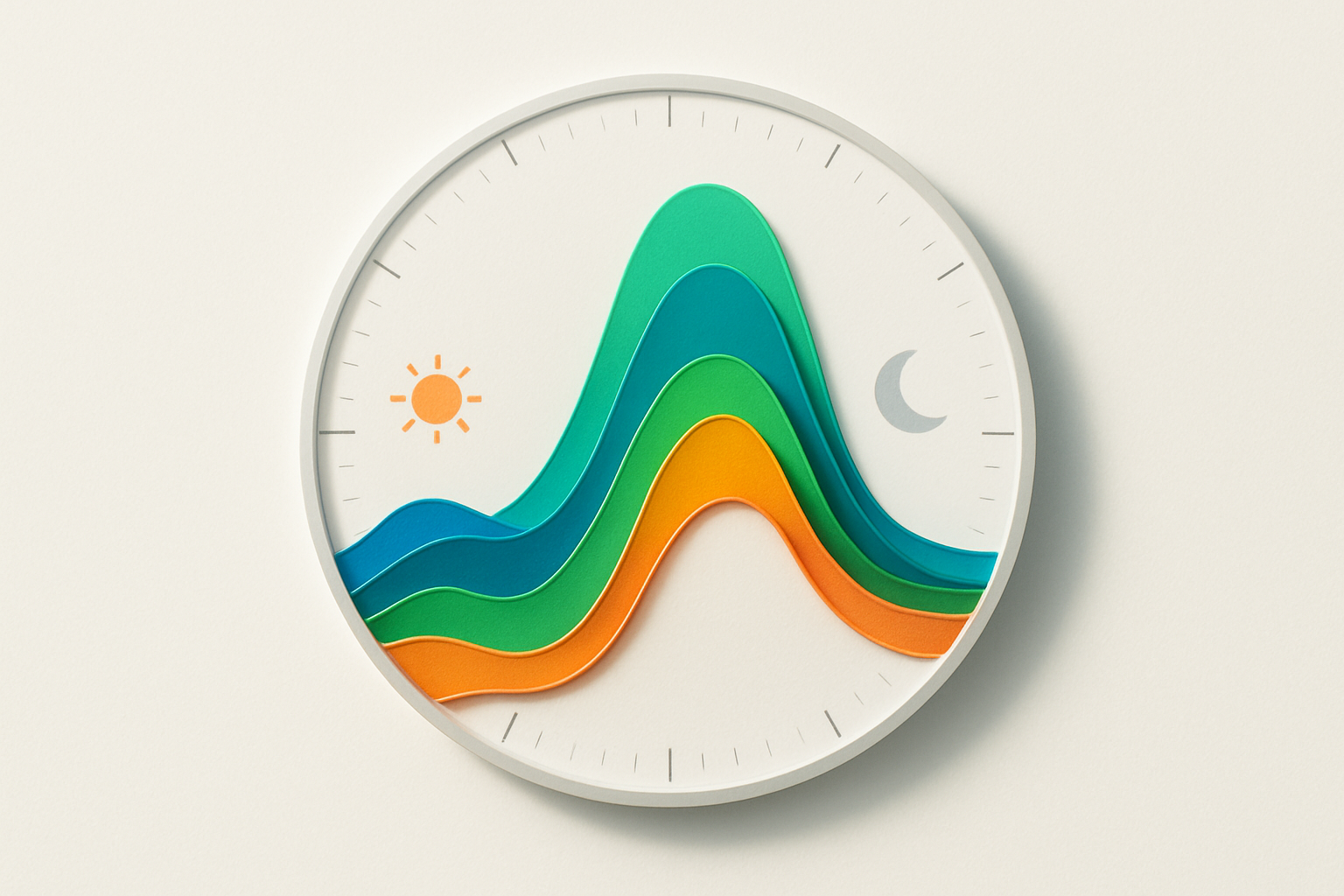
Document Daily Energy Peaks and Valleys
Your body operates on predictable energy cycles throughout the day, and tracking these patterns can revolutionize how you structure your daily activities. Start by creating a simple energy log where you rate your vitality levels every two hours on a scale of 1-10. Most people discover they have distinct high-energy windows, typically occurring mid-morning and early afternoon, with natural dips around 2-4 PM and evening hours.
Keep your energy diary for at least two weeks to identify consistent patterns. Note not just your energy rating, but also what you were doing, what you ate, your sleep quality from the night before, and any significant events. Many people find their energy peaks align with natural circadian rhythms, but individual variations are common and perfectly normal.
Pay special attention to your energy levels during different seasons, as daylight exposure significantly impacts your internal clock. Winter months might show different patterns compared to summer, and this information becomes valuable for long-term planning and seasonal adjustments to your routine.
Align Activities with Your Natural Energy Patterns
Once you've mapped your energy rhythms, the next step involves strategically scheduling your most demanding tasks during peak energy windows. Reserve your high-concentration work, creative projects, or challenging workouts for times when your vitality naturally runs highest. This approach dramatically improves both productivity and satisfaction.
During your identified low-energy periods, shift toward lighter activities like administrative tasks, gentle stretching, meal prep, or social activities that don't require intense focus. This doesn't mean being unproductive during energy valleys – it means working with your biology rather than against it.
Create different daily templates based on your energy mapping. For example, if you're a morning person with peak energy between 8-11 AM, schedule your most important work during this window. If you experience an afternoon dip around 2 PM, plan a brief walk, meditation session, or light meal instead of pushing through demanding tasks.
Consider your weekly and monthly energy patterns too. Many people find certain days of the week naturally feel more energetic, and women may notice energy fluctuations that correspond with their menstrual cycle. Building awareness of these longer patterns helps with project planning and expectation management.
Identify Factors That Boost or Drain Your Vitality
Your energy levels don't exist in isolation – they respond to numerous lifestyle factors that you can identify and optimize. Start tracking correlations between your energy ratings and variables like sleep duration, meal timing, exercise, caffeine intake, social interactions, and stress levels.
Common energy boosters include consistent sleep schedules, morning sunlight exposure, regular movement breaks, balanced meals with adequate protein, staying hydrated, and engaging in activities that bring joy. However, your personal energy enhancers might differ from standard recommendations, making individual tracking essential.
Energy drains often include irregular sleep patterns, excessive screen time, processed foods, dehydration, prolonged sitting, toxic relationships, and environments that don't align with your preferences. Some people find open offices energizing while others need quiet spaces to maintain vitality. Honor these individual differences rather than forcing yourself into someone else's productivity framework.
Weather patterns, seasonal changes, and even moon phases affect some people's energy levels. While this might sound unconventional, tracking these correlations can reveal surprising insights about your personal energy ecosystem. The goal is understanding your unique energy fingerprint, not conforming to generic wellness advice.
Creating Your Integrated Wellness Action Plan

Synthesize insights from all four assessment tools
Your wellness journey becomes powerful when you connect the dots between sleep patterns, stress levels, digestion habits, and energy rhythms. Think of these four assessment tools as puzzle pieces that reveal your complete wellness picture.
Start by laying out your data from each tracker. Look for patterns that span across multiple areas. Maybe you notice that poor sleep quality on Monday nights correlates with high stress loads on Tuesdays, which then triggers digestive issues by Wednesday. Or perhaps your energy peaks at 2 PM consistently align with your best digestion window and lowest stress readings.
Create a master chart showing your weekly patterns across all four domains. Use color coding to identify connections - red for problem areas, yellow for moderate concerns, and green for optimal zones. This visual approach helps you spot relationships that might otherwise remain hidden.
Pay special attention to your personal trigger points. These are moments when one wellness area significantly impacts others. Common trigger patterns include stress-induced sleep disruption, poor sleep leading to digestive sensitivity, or low energy periods coinciding with stress spikes.
Document your unique wellness signature - the combination of factors that either support or undermine your wellbeing. This signature becomes your roadmap for targeted interventions.
Set realistic and measurable wellness goals
Transform your assessment insights into actionable goals that fit your real life. Avoid the trap of setting overwhelming targets that lead to quick burnout.
Use the SMART framework tailored for wellness: Specific, Measurable, Achievable, Relevant, and Time-bound. Instead of "sleep better," try "achieve 7-8 hours of quality sleep with less than 2 wake-ups per night for the next 30 days."
Break larger goals into micro-habits. If stress reduction is your priority, start with 5 minutes of deep breathing rather than committing to hour-long meditation sessions. Your digestion journal might reveal that eating too quickly creates problems - so focus on chewing each bite 20 times for one week.
Create goal hierarchies with primary and secondary objectives:
| Priority Level | Example Goal | Measurement |
|---|---|---|
| Primary | Improve sleep consistency | Bedtime within 30 minutes of target |
| Secondary | Reduce afternoon energy crashes | Energy rating above 6/10 from 2-4 PM |
| Tertiary | Optimize morning digestion | No bloating within 2 hours of breakfast |
Set review checkpoints every two weeks rather than monthly. Wellness patterns can shift quickly, and frequent check-ins prevent small issues from becoming major setbacks.
Design daily routines that support your unique needs
Your assessment data reveals when your body naturally thrives and struggles. Use this intelligence to craft routines that work with your biology rather than against it.
Map your optimal daily schedule around your energy rhythm findings. If you're naturally energized at 10 AM, schedule challenging tasks then rather than forcing productivity during your 3 PM energy dip. Build your exercise routine around high-energy windows and place rest activities during natural low points.
Create transition rituals between different parts of your day. These mini-routines help your body shift gears smoothly. A 5-minute breathing exercise between work and dinner can prevent stress from disrupting your digestion.
Design your environment to support success. If your stress scale shows kitchen chaos as a trigger, prep meals during calm periods. If your sleep tracker reveals light sensitivity, invest in blackout curtains rather than relying on willpower.
Build flexibility into your routines. Create "Plan A" for optimal days and "Plan B" for challenging ones. Your stress load will vary, and having adaptable routines prevents all-or-nothing thinking that derails progress.
Establish regular review and adjustment protocols
Wellness isn't a destination - it's an ongoing calibration process. Your needs will evolve with seasons, life changes, and personal growth.
Schedule weekly 15-minute wellness reviews. Compare your current week's data with previous weeks, looking for trends rather than focusing on daily fluctuations. Ask yourself: What worked well? What felt forced? What patterns am I noticing?
Create a monthly deeper dive session. Analyze longer-term patterns and assess whether your goals remain relevant. Life changes like new jobs, relationships, or seasons often require routine adjustments.
Develop your personal early warning system. Identify the first signs that your wellness plan needs tweaking - maybe three consecutive poor sleep nights or digestive discomfort lasting more than two days. Quick course corrections prevent major derailments.
Keep a simple adjustment log documenting what changes you make and why. This creates valuable data for future reference and helps you avoid repeating ineffective strategies.
Remember that successful wellness plans evolve. What serves you now may not work in six months, and that's perfectly normal. Stay curious about your patterns rather than rigidly attached to specific routines.

Taking charge of your wellness starts with knowing where you stand right now. The four self-assessment tools we've explored - sleep tracking, stress monitoring, digestion journaling, and energy mapping - give you the data you need to make real changes. Each tool reveals different pieces of your health puzzle, and when you put them together, you get a complete picture of what's working and what needs attention.
Your wellness journey doesn't have to be overwhelming or complicated. Start with just one tool that speaks to you most, whether it's tracking your sleep patterns or noting how different foods make you feel. As you gather information about your body's unique patterns and needs, you can build a personalized plan that actually fits your life. Remember, the best wellness plan is the one you'll actually stick with, so take it one step at a time and celebrate the small wins along the way.
Crafting a Daily Routine - Building Your Personalized Wellness Plan
A personalized daily routine transforms scattered good intentions into consistent wellness habits that actually stick. This guide is for busy professionals, parents, students, and anyone who wants to create structure around their health goals without adding stress to their already packed schedule.
Building a wellness plan that works for your real life starts with understanding what you actually need versus what wellness influencers tell you to need. You'll learn how to assess your current lifestyle honestly, identify the gaps that matter most, and design morning and evening routines that energize rather than exhaust you.
We'll walk through structuring your workday for better focus and energy, then show you how to customize everything based on your unique circumstances - because a single parent's routine looks nothing like a college student's. Finally, you'll get practical strategies for tracking what's working and adjusting your plan as life changes, so your wellness routine grows with you instead of becoming another thing you've abandoned.
Assess Your Current Lifestyle and Wellness Needs

Identify your energy patterns throughout the day
Your body runs on natural rhythms that dictate when you feel most alert, focused, and energized. Understanding these patterns becomes the foundation for building a routine that works with your biology rather than against it.
Start by tracking your energy levels for one week using a simple 1-10 scale. Set reminders to check in with yourself every two hours from wake-up to bedtime. Notice when you feel naturally alert versus when you struggle to concentrate. Most people experience predictable dips around 2-4 PM and peaks in mid-morning, but your pattern might be completely different.
Pay attention to physical sensations too. When do you feel hungry? When does your body naturally want to move? Some people wake up ready to tackle demanding tasks, while others need gentle movement and time to ease into productivity. Night owls often find their creative peak arrives after dinner when early birds are winding down.
Consider your chronotype - whether you're naturally inclined toward morning or evening activities. This isn't just about preference; it's rooted in genetics and affects everything from body temperature to hormone production. Fighting against your natural rhythm creates unnecessary stress and reduces performance.
Evaluate existing habits that support or hinder your wellbeing
Take an honest inventory of your current daily practices without judgment. List everything from your morning coffee ritual to late-night phone scrolling. Categorize each habit as supportive, neutral, or harmful to your wellness goals.
Supportive habits might include regular meal times, taking stairs instead of elevators, or calling a friend during lunch breaks. These activities naturally boost your energy, mood, or health without requiring much effort.
Neutral habits aren't necessarily bad but don't actively contribute to your wellbeing. Maybe you always check emails while eating breakfast or listen to the same podcast during commutes. These routines provide comfort but offer opportunities for enhancement.
Harmful habits drain your energy or work against your goals. Common culprits include skipping meals, staying up too late scrolling social media, sitting for hours without breaks, or using caffeine to mask poor sleep. Rather than trying to eliminate everything at once, identify which harmful habits have the biggest negative impact on your day.
Look for habit clusters too. Often one behavior triggers another - like getting home from work, immediately sitting on the couch, turning on TV, and mindlessly snacking. Recognizing these chains helps you intervene at the right moment.
Recognize personal stress triggers and management gaps
Stress shows up differently for everyone. Your triggers might be external - deadline pressure, traffic, difficult conversations - or internal - perfectionism, comparison, worry about future events. Both types deserve equal attention in your wellness plan.
External triggers often feel outside your control, but you usually have more influence than you realize. Can you adjust your commute time to avoid rush hour? Are there communication strategies that make difficult conversations easier? Sometimes small changes to your environment create significant stress reduction.
Internal triggers require different approaches. Notice the thoughts and beliefs that consistently create tension. Maybe you catastrophize about small mistakes or assume the worst in unclear situations. These mental patterns become automatic, but awareness creates opportunities for change.
Identify your current stress management tools and evaluate their effectiveness. Do you rely on healthy outlets like exercise, deep breathing, or talking with friends? Or do you default to less helpful strategies like overworking, emotional eating, or avoiding problems altogether?
Most people have gaps in their stress management toolkit. You might handle acute stress well but struggle with ongoing low-level tension. Or perhaps you're great at logical problem-solving but lack emotional regulation techniques. Recognizing these gaps helps you build a more complete wellness plan.
Determine your primary wellness goals and priorities
Wellness encompasses multiple dimensions - physical health, mental clarity, emotional balance, social connections, and life purpose. While all areas matter, trying to improve everything simultaneously leads to overwhelm and inconsistency.
Start by identifying which areas need the most attention right now. Are you sleeping poorly and feeling constantly tired? Is anxiety affecting your daily functioning? Do you feel disconnected from friends and family? Your most pressing concerns should drive your initial routine design.
Consider both short-term and long-term objectives. Short-term goals might include sleeping seven hours consistently or taking a 10-minute walk daily. Long-term goals could involve running a marathon, changing careers, or developing better relationships. Your daily routine should include steps toward both timeframes.
Be specific about what success looks like. Instead of "get healthier," define measurable outcomes like "have energy for evening activities" or "handle work stress without bringing it home." Specific goals make it easier to design effective routines and track progress.
Think about your values and how they connect to wellness choices. If family time is important, your routine should protect space for relationships. If creativity energizes you, build in time for artistic pursuits. When your routine aligns with what matters most to you, consistency becomes much easier to maintain.
Design Your Morning Foundation for Success

Create an energizing wake-up sequence that fits your schedule
Your wake-up sequence sets the tone for everything that follows. Start by choosing a consistent wake time that gives you adequate sleep while allowing for your morning routine. The key isn't waking up at 5 AM like every productivity guru suggests – it's finding what works for your natural rhythm and life circumstances.
Begin with gentle exposure to light. Open your curtains immediately or use a sunrise alarm clock that gradually brightens your room. This simple action kickstarts your circadian rhythm and helps reduce morning grogginess. Keep a glass of water by your bed and drink it upon waking to combat overnight dehydration.
Skip the snooze button entirely. Those extra nine minutes of fragmented sleep actually make you feel worse. Instead, place your alarm across the room, forcing you to physically get up. Once you're vertical, resist the urge to check your phone. Social media and news feeds can hijack your mental state before you've even brushed your teeth.
Create a simple sequence you can complete on autopilot: water, bathroom, face wash, get dressed. Having clothes laid out the night before eliminates decision fatigue when your brain is still booting up. This predictable routine becomes your morning anchor, something reliable regardless of what chaos the day might bring.
Incorporate mindfulness or meditation practices
Morning mindfulness doesn't require sitting in lotus position for an hour. Even five minutes can shift your entire day. Start with breath awareness – simply notice your breathing without trying to change it. Count breaths from one to ten, then start over. When your mind wanders (and it will), gently return to counting.
Try body scanning if traditional meditation feels too abstract. Mentally check in with each part of your body, starting from your toes and working upward. Notice tension, comfort, or neutral sensations without judgment. This practice grounds you in the present moment and helps identify physical stress you might carry into the day.
Gratitude meditation offers another accessible entry point. Think of three specific things you appreciate right now – not generic items like "health" or "family," but particular moments or experiences. Maybe it's the way morning light hits your kitchen counter or how your dog greeted you yesterday. Specificity makes gratitude more impactful.
Walking meditation works well for people who struggle with sitting still. Step outside or walk around your home slowly and deliberately, focusing on the sensation of your feet touching the ground. This combines movement with mindfulness, making it easier for active minds to settle.
Plan nutritious breakfast options that fuel your body
Your breakfast should provide sustained energy rather than a quick spike followed by a crash. Focus on combining protein, healthy fats, and complex carbohydrates. This combination keeps blood sugar stable and prevents mid-morning hunger pangs.
Prepare options that match your morning schedule:
Quick Options (5 minutes or less):
-
Greek yogurt with nuts and berries
-
Overnight oats prepared the night before
-
Hard-boiled eggs (batch-cooked weekly) with fruit
-
Smoothie with protein powder, spinach, and banana
Medium Prep (10-15 minutes):
-
Vegetable omelet or scrambled eggs
-
Avocado toast with a protein source
-
Steel-cut oats with toppings
-
Chia seed pudding with fresh fruit
Batch-Prepared Options:
-
Breakfast muffins with vegetables and protein
-
Mason jar overnight oats (make 5 on Sunday)
-
Egg muffin cups with vegetables
-
Homemade granola with Greek yogurt
Avoid processed cereals, pastries, and sugary drinks that spike blood sugar. If you're not hungry in the morning, don't force it – some people naturally prefer eating later. Listen to your body's signals rather than following arbitrary meal timing rules.
Establish movement routines to activate your metabolism
Morning movement doesn't mean hitting the gym for an hour. Simple activities can activate your metabolism and improve mental clarity. Start with basic stretches to counteract the stiffness from sleeping. Gentle neck rolls, shoulder shrugs, and touching your toes help wake up your body.
Consider these movement options based on your time and energy:
5-Minute Energizers:
-
Sun salutations or basic yoga flow
-
Jumping jacks and bodyweight squats
-
Dance to two favorite songs
-
Walk around your neighborhood block
15-Minute Options:
-
YouTube workout videos
-
Bodyweight circuit training
-
Yoga sequence
-
Walking or light jogging
30+ Minutes:
-
Full gym workout
-
Long walk or hike
-
Swimming or cycling
-
Group fitness class
Match your movement to your energy level. Some days call for gentle stretching, others for intense workouts. The goal is consistency, not perfection. Even two minutes of movement beats zero minutes.
Set daily intentions and review your priorities
End your morning routine by clarifying what matters most today. This isn't about creating an overwhelming to-do list – it's about identifying your top priorities and setting an intention for how you want to show up.
Review your calendar and identify the three most important tasks. Ask yourself: "If I could only accomplish three things today, what would they be?" Write these down or mentally note them. This prevents you from getting lost in busywork or reactive tasks.
Set a daily intention that goes beyond tasks. How do you want to feel today? What kind of energy do you want to bring to your interactions? Maybe your intention is to be present in conversations, to approach challenges with curiosity, or to practice patience with difficult people.
Take a moment to visualize your day going well. See yourself handling challenges calmly, enjoying positive moments, and feeling satisfied with your accomplishments. This mental rehearsal primes your brain for success and helps you notice opportunities to align your actions with your intentions.
Keep this review brief – five minutes maximum. The goal is clarity and focus, not overthinking every detail of your day ahead.
Structure Your Workday for Optimal Performance

Schedule regular breaks to prevent burnout and maintain focus
Your brain wasn't designed to work at full capacity for eight straight hours. Research shows that our cognitive abilities peak and dip throughout the day, making strategic breaks essential for maintaining productivity. The famous Pomodoro Technique suggests 25-minute work blocks followed by 5-minute breaks, but you can customize this based on your natural rhythm and work demands.
Start by identifying when your energy naturally fluctuates. Most people experience peak focus in the morning, a dip after lunch, and a second wind in the late afternoon. Plan your most challenging tasks during high-energy periods and use natural low points for breaks.
Effective breaks aren't just about stepping away from your desk. Try these research-backed approaches:
-
Movement breaks: Walk around your office, do desk stretches, or step outside for fresh air
-
Mental reset breaks: Practice deep breathing, meditation, or simply look out the window
-
Social breaks: Chat with colleagues or call a friend for genuine human connection
-
Creative breaks: Doodle, listen to music, or engage in any activity that uses different brain pathways
Avoid scrolling through social media or news during breaks, as these activities can actually increase mental fatigue rather than provide genuine restoration.
Integrate micro-workouts and stretching sessions
Sitting for extended periods wreaks havoc on your body, contributing to back pain, poor posture, and reduced circulation. Micro-workouts and stretching sessions combat these issues while boosting energy levels throughout your day.
Micro-workouts are brief, 2-5 minute exercise bursts that require minimal space and no equipment changes. They're perfect for office environments and can be surprisingly effective when done consistently.
Desk-friendly micro-workouts:
| Exercise Type | Duration | Benefits |
|---|---|---|
| Desk push-ups | 30-60 seconds | Upper body strength, posture |
| Chair squats | 30 seconds | Lower body activation, circulation |
| Calf raises | 1 minute | Leg circulation, energy boost |
| Wall sits | 30-45 seconds | Core strength, leg endurance |
Essential stretches for office workers:
-
Neck rolls: Combat tech neck and shoulder tension
-
Spinal twists: Counteract prolonged sitting and improve flexibility
-
Hip flexor stretches: Open up tight hips from sitting
-
Shoulder blade squeezes: Improve posture and relieve upper back tension
Set reminders on your phone or computer to ensure consistency. Even two minutes every hour makes a significant difference in how you feel at the end of the workday.
Plan healthy snacking and hydration strategies
What you eat and drink during work hours directly impacts your energy, focus, and mood. Poor snacking choices lead to energy crashes, while smart nutrition choices maintain steady performance throughout the day.
Smart snacking principles:
Pair protein with complex carbohydrates to maintain stable blood sugar levels. Keep healthy options readily available to avoid reaching for processed convenience foods when hunger strikes.
High-energy snack combinations:
-
Apple slices with almond butter
-
Greek yogurt with berries and nuts
-
Hummus with vegetable sticks
-
Hard-boiled eggs with whole grain crackers
-
Mixed nuts and dried fruit (without added sugar)
Hydration strategy:
Dehydration, even mild levels, significantly impacts cognitive function and energy. Keep a large water bottle at your desk and aim to refill it 2-3 times during your workday. Add variety with herbal teas or sparkling water with lemon.
Monitor your caffeine intake carefully. While coffee can boost alertness, too much leads to jitters and afternoon crashes. Limit intake to morning hours and consider green tea as an alternative for sustained energy without the harsh crash.
Create boundaries between work and personal time
The line between work and personal life has blurred dramatically, especially with remote work becoming commonplace. Clear boundaries protect your mental health and actually improve work performance by ensuring adequate recovery time.
Physical boundaries:
-
Designate specific spaces for work, even in small homes
-
Change clothes when transitioning between work and personal time
-
Use different devices or accounts for work and personal activities
-
Create a brief "commute" ritual, like a walk around the block, to mark the transition
Time boundaries:
-
Set specific start and stop times for work activities
-
Turn off work notifications after hours
-
Use separate calendars for work and personal commitments
-
Communicate your availability clearly to colleagues and clients
Mental boundaries:
-
Develop an end-of-workday ritual that helps you mentally transition
-
Practice saying no to non-essential requests that extend beyond work hours
-
Keep a notepad by your bed to write down work thoughts that arise after hours
-
Engage in activities that fully capture your attention, making work thoughts difficult to maintain
Remember that boundaries benefit everyone. When you're well-rested and recharged, you bring better focus and creativity to your work. Your colleagues and clients ultimately benefit from your improved performance rather than your constant availability.
Build Evening Rituals for Recovery and Renewal

Develop a consistent wind-down routine to signal rest time
Your body craves predictability when it comes to sleep. Creating a consistent wind-down routine acts like a biological alarm clock in reverse, telling your system it's time to shift into recovery mode. Start this routine 1-2 hours before your intended bedtime, and stick to it even on weekends.
Begin with dimming the lights throughout your home. Bright lights trick your brain into thinking it's still daytime, suppressing melatonin production. Switch to warm, soft lighting or use salt lamps to create a calming atmosphere. Take a warm bath or shower – the drop in body temperature afterward naturally makes you feel drowsy.
Include gentle activities that calm your mind: light stretching, reading fiction, listening to soft music, or practicing deep breathing exercises. Avoid anything stimulating like intense conversations, work emails, or exciting TV shows. Your wind-down routine becomes a powerful signal that rest is approaching, making the transition to sleep smoother and more natural.
Eliminate screen time and create a sleep-friendly environment
The blue light from phones, tablets, computers, and TVs disrupts your circadian rhythm by blocking melatonin production. Stop using screens at least one hour before bed, or if you must use them, install blue light filters or wear blue light blocking glasses.
Transform your bedroom into a sleep sanctuary. Keep it cool (65-68°F is optimal), dark, and quiet. Invest in blackout curtains or an eye mask to block external light. Use a white noise machine, earplugs, or a fan to mask disruptive sounds. Your mattress and pillows should be comfortable and supportive – replace them if they're old or causing discomfort.
Remove work materials, exercise equipment, and clutter from your bedroom. This space should be associated only with sleep and rest. Consider using a traditional alarm clock instead of your phone to avoid the temptation of late-night scrolling or early morning social media checks.
Practice gratitude or journaling to process your day
Evening reflection helps clear your mind of the day's stress and anxiety. Spend 10-15 minutes writing in a journal, focusing on three things you're grateful for from the day. This simple practice shifts your mindset from stress and worry to appreciation and positivity.
Try a brain dump technique: write down everything on your mind – worries, tasks, thoughts, or emotions. Getting these thoughts out of your head and onto paper prevents them from cycling through your mind when you're trying to fall asleep. You don't need to solve problems or make decisions during this time; just acknowledge and release them.
Some people prefer guided reflection prompts: "What went well today?" "What did I learn?" "How did I grow?" Choose an approach that feels natural and sustainable. The goal is to process the day's experiences so they don't keep you awake.
Prepare for tomorrow to reduce morning stress
Spending 10-15 minutes preparing for the next day eliminates decision fatigue and reduces morning stress. Lay out your clothes, pack your lunch, prepare your breakfast ingredients, and organize your bag or briefcase. These small actions create a smoother morning routine and reduce the mental load of starting your day.
Review your calendar and prioritize your top three tasks for tomorrow. Write them down so you're not mentally rehearsing your schedule while trying to fall asleep. Prepare any materials you'll need for meetings or important tasks. Set up your coffee maker if you use one, or fill your water bottle for the next day.
This preparation ritual signals closure for today while setting yourself up for success tomorrow. You'll wake up feeling organized and ready rather than scrambled and stressed.
Customize Your Plan Based on Personal Circumstances

Adapt routines for busy schedules and time constraints
Creating a wellness routine doesn't require hours of free time every day. The key lies in identifying micro-moments throughout your schedule where you can weave in beneficial practices. Start by mapping out your current daily schedule and look for existing pockets of time that could serve double duty.
During your commute, practice breathing exercises or listen to motivational podcasts. While your morning coffee brews, do five minutes of stretching. Transform waiting periods—whether in line at the grocery store or for a meeting to start—into mindfulness moments. These small windows add up significantly over the course of a week.
Time-efficient strategies include:
-
Habit stacking: Attach new wellness practices to existing habits. Do calf raises while brushing teeth, practice gratitude while washing dishes, or review your daily intentions while your computer starts up
-
Batch processing: Group similar wellness activities together. Meal prep on Sundays, schedule all workouts for specific days, or dedicate one evening weekly to planning the following week's self-care activities
-
Quick wins: Focus on practices that deliver maximum benefit in minimal time. A 5-minute meditation often provides more value than scrolling social media for 20 minutes
Consider creating different versions of your routine: a 10-minute version for extremely busy days, a 30-minute version for normal days, and a full version for weekends or lighter schedules. This flexibility prevents the all-or-nothing mentality that derails many wellness plans.
Modify practices for different seasons and life changes
Your wellness needs shift naturally as life circumstances change, and your routine should adapt accordingly. Seasonal transitions offer perfect opportunities to reassess and refresh your approach. Winter might call for more indoor activities, earlier bedtimes, and mood-boosting practices, while summer allows for outdoor workouts and later evening routines.
Seasonal adaptations might include:
| Season | Routine Adjustments | Focus Areas |
|---|---|---|
| Spring | Increase outdoor activities, lighter meals | Energy renewal, decluttering |
| Summer | Earlier morning routines, hydration focus | Adventure, social connection |
| Fall | Preparation rituals, immune support | Goal setting, harvesting habits |
| Winter | Cozy evening practices, vitamin D support | Rest, reflection, indoor hobbies |
Life transitions require similar flexibility. Starting a new job, moving to a different city, ending a relationship, or experiencing health challenges all demand routine adjustments. Rather than viewing these as setbacks, embrace them as opportunities to discover what truly serves you in different circumstances.
The key is maintaining your wellness foundation while adapting the specific practices. Your commitment to self-care remains constant, but the methods can and should evolve. A new parent might shift from hour-long gym sessions to 15-minute home workouts. Someone dealing with chronic illness might replace high-intensity activities with gentle movement and stress-reduction techniques.
Account for family responsibilities and social commitments
Balancing personal wellness with family and social obligations requires creativity and clear communication. Start by having honest conversations with family members about your wellness goals and how they benefit everyone. When you take care of yourself, you show up as a better partner, parent, and friend.
Family-friendly wellness strategies:
-
Include others: Transform solo activities into family time. Take walks together after dinner, involve kids in meal preparation, or create family meditation time
-
Communicate boundaries: Let family know about your non-negotiable wellness practices and ask for their support during these times
-
Model healthy behavior: Children especially benefit from seeing adults prioritize self-care and can learn to respect these practices
Social commitments don't have to derail your routine. Choose restaurants that align with your nutrition goals, suggest active social activities like hiking or dancing instead of always meeting for drinks, and practice saying no to commitments that consistently drain your energy without adding value.
Create backup plans for common scenarios. If a family emergency disrupts your morning routine, know which elements you can do later in the day. If social obligations keep you out late, have a modified next-day routine that accounts for less sleep. Planning for these situations ahead of time prevents them from completely derailing your wellness efforts.
Remember that your wellness routine should enhance your relationships, not create tension. Finding this balance often requires experimentation and ongoing adjustment, but the effort pays off in improved energy and presence for both yourself and your loved ones.
Track Progress and Maintain Long-Term Success

Monitor Your Energy Levels and Mood Improvements
Tracking your wellness journey starts with paying attention to how you feel throughout the day. Your energy levels and mood serve as the most reliable indicators of whether your routine is working. Create a simple daily log where you rate your energy on a scale of 1-10 at three key times: morning, afternoon, and evening. Notice patterns that emerge over weeks of consistent tracking.
Keep an eye on your emotional state too. Are you feeling more balanced? Less irritable? Better equipped to handle stress? Many people find that after two to three weeks of following a structured routine, they experience noticeable improvements in mood stability and emotional resilience.
Use your smartphone or a simple notebook to jot down observations. Note correlations between specific activities and how you feel afterward. Maybe you discover that morning meditation boosts your energy more than that extra cup of coffee, or perhaps evening walks significantly improve your sleep quality and next-day mood.
Adjust Routines Based on What Works and What Doesn't
Your initial routine is just a starting point. Real success comes from fine-tuning based on actual results. If morning workouts leave you exhausted rather than energized, experiment with evening exercise instead. When certain activities feel forced or create stress, replace them with alternatives that serve the same purpose.
Pay attention to resistance patterns. If you consistently skip a particular activity, ask yourself why. Sometimes it's about timing – maybe journaling works better at lunch than at bedtime. Other times, the activity itself might not suit your personality or current life phase.
Create a monthly review process where you honestly evaluate each component of your routine. What excited you at the beginning but now feels stale? What unexpected benefits have you discovered? Which changes have had the biggest positive impact on your daily life?
Consider seasonal adjustments too. Your winter routine might emphasize indoor activities and comfort practices, while summer calls for more outdoor movement and social connection. Successful routines evolve with your changing needs and circumstances.
Build Flexibility Into Your Plan for Sustainable Habits
Rigid routines often fail because life is unpredictable. Build in options and alternatives from the start. Create "minimum viable" versions of your practices – what's the smallest version of this habit that still provides benefit? Maybe your full morning routine takes 45 minutes, but you have a 15-minute backup version for hectic days.
Develop contingency plans for common disruptions. When you travel, what three core practices will you maintain? If you're sick, how does your routine adapt? When work demands extra hours, which wellness practices are non-negotiable?
Think in terms of categories rather than specific activities. Instead of "run for 30 minutes every morning," frame it as "move my body for 15-30 minutes each morning." This gives you freedom to walk, do yoga, dance, or lift weights based on your mood, energy, and circumstances.
Celebrate Milestones and Reward Consistent Effort
Recognition fuels motivation. Set up milestone markers at one week, one month, three months, and six months. Acknowledge the effort you've put in, not just the results you've achieved. Consistency matters more than perfection.
Create meaningful rewards that align with your wellness goals. After a month of consistent morning routines, treat yourself to new workout gear, a massage, or that book you've wanted to read. Avoid rewards that counteract your progress – celebrating healthy eating with junk food sends mixed messages to your brain.
Share your wins with supportive friends or family members who understand your goals. Their recognition and encouragement can provide powerful motivation during challenging periods. Consider joining online communities or finding an accountability partner who's working on similar lifestyle changes.
Document your progress with photos, measurements, or before-and-after comparisons of how you feel. These tangible reminders become powerful motivators when you hit inevitable rough patches. Remember that building lasting wellness habits is a marathon, not a sprint – every day of consistent effort deserves recognition.
Creating a daily routine that actually works isn't about copying someone else's perfect schedule or following the latest productivity hack. It's about taking an honest look at your life, figuring out what you need most, and building habits that fit your real circumstances. From establishing a morning foundation that sets you up for success to crafting evening rituals that help you unwind, every piece of your routine should serve a purpose and feel sustainable for the long run.
Your wellness plan will evolve as your life changes, and that's exactly how it should be. Start small, track what's working, and don't be afraid to adjust along the way. The goal isn't perfection – it's progress. Take what resonates with you from these strategies and begin building your routine today, even if it's just one small change. Your future self will thank you for taking that first step toward a more intentional, balanced life.
Seasonal Adjustments - Building Your Personalized Wellness Plan

Your body naturally shifts with the seasons, and your wellness routine should too. Seasonal adjustments help you work with these natural rhythms instead of against them, creating a more effective and sustainable approach to health.
This guide is for anyone who wants to stop fighting seasonal changes and start using them to boost their well-being. You'll learn how to tune into your body's seasonal patterns and build routines that actually stick year-round.
We'll cover how your body responds to seasonal changes and why this matters for your health. You'll discover specific wellness strategies for each season, from spring energy renewal to winter maintenance modes. Finally, we'll walk through creating your own personalized seasonal action plan that fits your lifestyle and goals.
Understanding Your Body's Natural Seasonal Rhythms

Recognize Circadian Rhythm Changes Throughout the Year
Your body operates on an internal clock that responds to environmental cues, particularly light exposure. As daylight hours shift dramatically between seasons, your circadian rhythms naturally adjust, affecting everything from sleep patterns to hormone production.
During summer months, extended daylight keeps your cortisol levels elevated longer, often making you feel more alert and energetic well into the evening. Your melatonin production starts later, which explains why you might find yourself staying up past your usual bedtime without feeling tired. This natural rhythm shift can be beneficial for maintaining an active lifestyle but may require conscious adjustments to your evening routine.
Winter brings the opposite challenge. Shortened daylight hours trigger earlier melatonin release, often causing drowsiness as early as 6 PM. Your body also produces less serotonin due to reduced sunlight exposure, contributing to mood changes many people experience during darker months. These aren't character flaws or signs of weakness—they're normal biological responses to seasonal light changes.
Spring and fall represent transition periods where your internal clock recalibrates. Many people notice disrupted sleep patterns during these seasons as their bodies adjust to changing light exposure. Being aware of these natural shifts helps you work with your biology rather than against it.
Identify Seasonal Energy Fluctuations and Mood Patterns
Your energy levels and emotional state naturally fluctuate throughout the year in predictable patterns. Recognizing these patterns empowers you to plan activities and make lifestyle adjustments that align with your body's natural tendencies.
Spring typically brings renewed energy and motivation. Many people report feeling more optimistic and ready to tackle new projects. This surge comes from increasing daylight stimulating your nervous system and boosting vitamin D production. Your appetite may shift toward lighter foods, and physical activity feels more appealing after winter's hibernation mode.
Summer energy peaks tend to be high but can also lead to overstimulation. The abundance of social activities, longer days, and increased heat exposure can create a wired-but-tired feeling. You might notice increased thirst, changes in appetite timing, and a tendency toward restless sleep despite feeling energetic during the day.
Autumn brings a natural inclination toward nesting behaviors. Energy levels begin to decline as your body prepares for winter, but this isn't necessarily negative. Many people find their focus improves during fall months, making it an excellent time for detail-oriented projects and introspective activities.
Winter energy dips are completely normal and serve an evolutionary purpose. Your body naturally conserves energy during resource-scarce months. Lower energy doesn't mean laziness—it means your system is operating efficiently for the season.
Track Your Personal Seasonal Health Markers
Creating a personal seasonal health profile helps you anticipate needs and optimize your wellness approach throughout the year. Everyone's patterns are unique, even within general seasonal trends.
Start tracking these key markers:
Sleep Quality and Duration
-
Bedtime and wake time preferences
-
Sleep quality ratings
-
Number of nighttime awakenings
-
Morning energy levels
Physical Symptoms
-
Joint stiffness or pain levels
-
Digestive changes
-
Skin condition variations
-
Appetite fluctuations
Emotional Well-being
-
Mood stability ratings
-
Motivation levels
-
Social energy preferences
-
Stress response patterns
Cognitive Function
-
Concentration span
-
Decision-making clarity
-
Creative energy
-
Memory sharpness
Track these markers for at least one full year to establish your baseline patterns. Use a simple 1-10 rating system or notes in your phone—the method matters less than consistency.
Pay attention to transition periods between seasons, as these often reveal the most dramatic changes. Notice which markers shift first and which lag behind. Some people experience mood changes weeks before physical symptoms appear, while others notice energy dips before emotional shifts.
Your tracking might reveal surprising patterns. Perhaps your digestion is most sensitive in spring, or your creativity peaks during winter months. These insights become the foundation for building targeted seasonal strategies that support your unique needs year-round.
Spring Renewal Wellness Strategies

Design detox protocols for winter toxin elimination
Spring cleaning isn't just for your home—your body craves the same fresh start after months of heavy comfort foods, less sunlight, and reduced activity. Winter naturally slows down your body's detoxification processes, making spring the perfect time to support your liver, kidneys, and lymphatic system in clearing out accumulated waste.
Start with hydration as your foundation. Warm lemon water first thing in the morning kickstarts your liver function and provides vitamin C after winter's potential deficiencies. Add a pinch of sea salt and fresh ginger to enhance the cleansing effect. Throughout the day, aim for half your body weight in ounces of filtered water, incorporating herbal teas like dandelion root, milk thistle, and nettle.
Your lymphatic system needs movement to function properly, so incorporate dry brushing before showers using circular motions toward your heart. Follow this with contrast showers—alternating between hot and cold water for 30 seconds each, ending with cold. This simple practice boosts circulation and supports natural detox pathways.
Focus on sulfur-rich foods that support phase two liver detoxification: cruciferous vegetables like broccoli, cauliflower, and Brussels sprouts. These contain compounds that help your liver process and eliminate toxins more efficiently. Add garlic, onions, and eggs to provide additional sulfur compounds your detox pathways need.
Consider a structured 7-day spring cleanse featuring whole foods, eliminating processed foods, alcohol, and caffeine while emphasizing vegetables, lean proteins, and healthy fats. Include bitter greens like arugula and dandelion to stimulate bile production and support fat digestion.
Create energy-boosting nutrition plans
Winter's shorter days and heavier foods often leave you feeling sluggish as spring arrives. Transitioning to lighter, more energizing foods helps align your body with the season's natural renewal energy while supporting increased activity levels.
Shift from winter's warming, grounding foods to spring's lighter, cleansing options. Replace heavy stews and casseroles with fresh salads, steamed vegetables, and lighter proteins. Spring vegetables like asparagus, peas, and leafy greens provide essential nutrients while being easier to digest than winter's root vegetables.
Balance your blood sugar to maintain steady energy throughout longer days. Combine complex carbohydrates with protein and healthy fats at each meal. A breakfast of steel-cut oats with almond butter and berries provides sustained energy, while a lunch of quinoa salad with chickpeas and avocado prevents afternoon crashes.
Time your meals to support your circadian rhythm as daylight hours increase. Eat your largest meal when the sun is highest—typically lunch—and lighter dinners 3-4 hours before bed. This aligns with your body's natural energy production and helps optimize sleep quality.
Incorporate seasonal superfoods that naturally boost energy: fresh herbs like parsley and cilantro aid detoxification, while early spring vegetables provide vitamins and minerals depleted during winter. Add spirulina or chlorella to smoothies for concentrated nutrition and natural energy support.
| Energy-Boosting Spring Foods | Key Benefits |
|---|---|
| Asparagus | Natural diuretic, folate for energy metabolism |
| Spinach | Iron, magnesium for cellular energy |
| Peas | B vitamins, plant-based protein |
| Strawberries | Vitamin C, natural sugars for quick energy |
| Fresh herbs | Antioxidants, digestive support |
Establish outdoor activity routines
Longer days and warmer temperatures make spring ideal for transitioning from indoor winter activities to outdoor movement. This shift not only provides physical benefits but also supports mental health through increased sunlight exposure and connection with nature.
Start gradually if you've been less active during winter. Begin with 15-20 minute walks in morning sunlight to regulate your circadian rhythm and boost vitamin D production. Morning light exposure helps reset your internal clock after winter's disruption, improving sleep quality and energy levels.
Take advantage of spring's mild temperatures for activities that might be too intense in summer heat. Hiking, cycling, and outdoor yoga become more comfortable as temperatures moderate. Plan weekend nature excursions to local trails or parks, gradually increasing distance and intensity as your fitness improves.
Create variety in your outdoor routine to maintain motivation and work different muscle groups. Alternate between cardio activities like jogging or cycling with strength-building activities like outdoor calisthenics or playground workouts. Include flexibility work through outdoor stretching sessions or tai chi in parks.
Garden as both physical activity and stress relief. Digging, planting, and weeding provide functional movement patterns while connecting you to the earth's renewal energy. Even container gardening on balconies offers these benefits while providing fresh herbs and vegetables for your spring nutrition plan.
Set realistic goals based on your current fitness level and winter activity patterns. Track progress through a simple journal noting energy levels, mood, and physical improvements rather than just focusing on performance metrics.
Develop allergy management techniques
Spring's beauty comes with challenges for many people as pollen counts rise and environmental allergens increase. Proactive management helps you enjoy the season's benefits without suffering from symptoms that can drain your energy and affect your overall wellness plan.
Monitor local pollen forecasts and plan outdoor activities accordingly. Exercise early morning or after rain when pollen counts are typically lower. Keep windows closed during high pollen days and use air purifiers with HEPA filters to maintain indoor air quality.
Support your immune system naturally through nutrition and lifestyle choices. Quercetin-rich foods like onions, apples, and berries act as natural antihistamines. Local honey consumed regularly may help build tolerance to local pollens, though scientific evidence remains mixed.
Rinse nasal passages with saline solution twice daily during allergy season to remove irritants before they trigger symptoms. Use a neti pot or saline spray, ensuring you use distilled or previously boiled water for safety.
Create an "allergy barrier" when coming indoors: remove shoes at the door, wash hands and face, and change clothes to prevent tracking allergens throughout your living space. Keep bedroom windows closed and wash bedding in hot water weekly to minimize nighttime exposure.
Consider natural antihistamine alternatives like stinging nettle leaf tea, which some people find helpful for mild allergy symptoms. Bromelain, an enzyme found in pineapple, may help reduce inflammation associated with allergic reactions.
Timing matters for allergy management. Start natural support strategies 4-6 weeks before your typical allergy season begins rather than waiting until symptoms appear. This proactive approach often proves more effective than reactive treatment.
Summer Vitality Optimization Methods

Implement hydration strategies for peak performance
Summer heat puts your body's cooling system into overdrive, making hydration your first line of defense against fatigue and heat-related issues. Your daily fluid needs can increase by 20-30% during hot weather, and waiting until you feel thirsty means you're already behind.
Start your day with 16-20 ounces of water upon waking to replace fluids lost overnight. Your urine color provides a reliable hydration gauge - aim for pale yellow throughout the day. Dark yellow signals dehydration, while completely clear might indicate overhydration.
Strategic Hydration Timeline:
-
Pre-activity (2-3 hours before): 17-20 oz water
-
Pre-activity (15-20 minutes before): 8 oz water
-
During activity: 6-12 oz every 15-20 minutes
-
Post-activity: 150% of fluid lost through sweat
Electrolyte balance becomes critical when you're sweating heavily. Sodium, potassium, and magnesium losses need replacement, especially during activities lasting over an hour. Natural options include coconut water, watermelon juice, or adding a pinch of sea salt to your water bottle.
Temperature matters too. Cool fluids (50-59°F) empty from your stomach faster and help lower core body temperature. Keep water bottles in the fridge or add ice cubes before heading outdoors.
Maximize vitamin D synthesis safely
Summer offers your best opportunity to build vitamin D stores that will carry you through darker months. Your skin produces vitamin D when exposed to UVB rays, but timing and duration make all the difference between health benefits and sun damage.
The "shadow rule" provides a simple guide: when your shadow is shorter than your height, UVB rays are strong enough for vitamin D production. This typically occurs between 10 AM and 3 PM, with peak synthesis happening around midday.
Optimal Exposure Guidelines:
| Skin Type | Daily Exposure Time | Best Time Window |
|---|---|---|
| Fair (burns easily) | 10-15 minutes | 10-11 AM or 2-3 PM |
| Medium (tans gradually) | 15-20 minutes | 10 AM-3 PM |
| Dark (rarely burns) | 20-30 minutes | 10 AM-3 PM |
Expose 25% of your body surface - arms, legs, or back work well. Face exposure isn't necessary since facial skin is more prone to sun damage. Start with shorter exposures and gradually increase time as your skin adapts.
Geographic location affects your vitamin D production capacity. Higher latitudes require longer exposures, while those living below 35°N (roughly the latitude of Los Angeles) can synthesize vitamin D year-round with proper sun exposure.
Monitor your vitamin D blood levels through testing, aiming for 30-50 ng/mL. If reaching optimal levels through sun exposure proves challenging, supplement with vitamin D3 during summer months to maximize absorption alongside natural synthesis.
Balance high-energy activities with recovery
Summer's extended daylight and warm weather naturally boost energy levels, but smart recovery practices prevent burnout and injury. Your body's circadian rhythms shift with longer days, potentially disrupting sleep patterns and recovery cycles.
Plan intense activities during cooler morning hours when your core body temperature is naturally lower. This reduces heat stress and allows better performance. Save gentler activities like walking or yoga for evening hours, which can help transition your body toward rest.
Recovery Optimization Strategies:
Active recovery becomes essential when outdoor temperatures soar. Swimming provides excellent low-impact movement while cooling your core temperature. Even walking in air-conditioned spaces maintains circulation without heat stress.
Sleep quality often suffers during summer heat. Keep your bedroom temperature between 65-68°F for optimal recovery. Blackout curtains help counter early sunrise disruption, while cooling pillows or mattress pads can improve sleep comfort without cranking up air conditioning all night.
Post-activity cooling protocols accelerate recovery and reduce inflammation. Cold showers, ice baths, or even cooling towels applied to pulse points (wrists, neck, temples) help lower core temperature efficiently.
Nutrition timing supports recovery when outdoor activities dominate your schedule. Consume protein within 30 minutes post-exercise, but emphasize lighter, easily digestible options during hot weather. Greek yogurt with berries, chocolate milk, or a protein smoothie with frozen fruit provide nutrients without weighing you down.
Listen to your body's signals more carefully during summer. Increased sweating, elevated heart rate at rest, or persistent fatigue might indicate inadequate recovery rather than fitness gains. Adjust intensity accordingly and prioritize rest days when heat stress accumulates.
Autumn Preparation and Immune Support

Strengthen immunity before cold season
Your immune system needs a head start before winter viruses begin circulating. Start building your defenses in early autumn when temperatures first begin to drop. Focus on getting quality sleep, as research shows that people who sleep less than seven hours per night are three times more likely to catch a cold.
Vitamin D becomes especially important as daylight hours shrink. Most people's levels drop significantly during fall and winter months. Consider supplementing with 1000-2000 IU daily, or ask your doctor about testing your current levels. Zinc also plays a key role in immune function – aim for 8-15mg daily through food sources like pumpkin seeds, chickpeas, and lean meats.
Fermented foods deserve a spot on your daily menu. Kimchi, sauerkraut, kefir, and yogurt with live cultures help maintain the gut bacteria that support immune health. Start incorporating these foods now, before cold season hits.
Transition sleep schedules for shorter days
As daylight shrinks, your circadian rhythm naturally wants to shift. Instead of fighting this change, work with your body's natural tendencies. Begin adjusting your bedtime 15 minutes earlier each week starting in mid-September.
Light exposure becomes crucial during this transition. Get outside for at least 20 minutes of natural light within two hours of waking up. This helps regulate melatonin production and maintains healthy sleep-wake cycles. When afternoon light starts fading earlier, consider using a light therapy box for 20-30 minutes in the morning.
Create a wind-down routine that signals your body it's time to sleep. Dim household lights two hours before bed, avoid screens or use blue-light blocking glasses, and keep your bedroom cool – around 65-68°F works best for most people.
Stock nutrient-dense foods for winter months
Winter weather can limit fresh produce options and increase your reliance on stored foods. Build a pantry that supports your health through the colder months. Stock up on frozen vegetables like broccoli, spinach, and berries – they're often more nutritious than fresh produce that's traveled long distances.
Root vegetables store well and provide sustained energy. Sweet potatoes, carrots, beets, and winter squash can last months in proper storage conditions. These foods are rich in beta-carotene, which your body converts to vitamin A for immune support.
| Food Category | Examples | Storage Method | Nutritional Benefits |
|---|---|---|---|
| Frozen Vegetables | Broccoli, spinach, peas | Freezer | High vitamins, minerals |
| Root Vegetables | Sweet potatoes, carrots | Cool, dark place | Beta-carotene, fiber |
| Legumes | Lentils, chickpeas, beans | Dry storage | Protein, iron, folate |
| Whole Grains | Quinoa, brown rice, oats | Airtight containers | B vitamins, sustained energy |
Don't forget healthy fats. Nuts, seeds, and olive oil provide essential fatty acids that support brain health and reduce inflammation during stressful winter months.
Create stress management systems
Autumn brings unique stressors – back-to-school schedules, holiday planning, and seasonal mood changes. Developing coping strategies now prevents stress from overwhelming your system later.
Breathing exercises offer immediate relief and require no equipment. Try the 4-7-8 technique: inhale for 4 counts, hold for 7, exhale for 8. Practice this daily so it becomes automatic during stressful moments.
Journaling helps process the season's transitions. Spend 5-10 minutes each evening writing about your day, focusing on what went well rather than just problems. This simple practice can improve sleep quality and reduce anxiety.
Establish indoor exercise alternatives
Shorter days and unpredictable weather make outdoor activities less appealing. Having indoor options ready prevents exercise habits from falling apart when motivation is low.
Bodyweight exercises require minimal space and equipment. Create a 20-30 minute routine combining squats, push-ups, lunges, and planks. YouTube offers countless free workout videos for every fitness level and time constraint.
Consider investing in basic equipment like resistance bands or dumbbells. These take up little space but dramatically expand your exercise options. Resistance bands especially travel well and provide full-body workout possibilities.
Dancing counts as cardio and boosts mood through music. Create playlists that energize you and dance for 15-20 minutes when you need to move but can't get outside. Your neighbors might think you're having too much fun, but your body will thank you.
Winter Wellness Maintenance Techniques

Combat Seasonal Affective Symptoms Naturally
Winter's shorter days and limited sunlight can trigger seasonal affective disorder (SAD), leaving many people feeling sluggish, moody, and unmotivated. The good news? You can fight back using natural strategies that work with your body's rhythms rather than against them.
Start your mornings with bright light exposure within the first hour of waking. Position yourself near a window while drinking your coffee, or invest in a light therapy box that delivers 10,000 lux of full-spectrum light. Just 20-30 minutes can significantly boost your mood and energy levels by regulating your circadian rhythm and increasing serotonin production.
Your diet becomes your medicine during winter months. Focus on foods rich in vitamin D, omega-3 fatty acids, and complex carbohydrates. Fatty fish like salmon and sardines, fortified dairy products, and leafy greens help combat the vitamin D deficiency common in winter. Walnuts, chia seeds, and flaxseeds provide mood-stabilizing omega-3s, while sweet potatoes and oats offer sustained energy without the blood sugar crashes.
Movement remains your secret weapon against winter blues. Even when outdoor activities feel impossible, indoor exercise releases endorphins and combats the lethargy that often accompanies SAD. Try yoga flows, bodyweight circuits, or dancing to your favorite music. The key is consistency rather than intensity – 15 minutes daily beats sporadic hour-long sessions.
Create a morning routine that signals to your brain that it's time to wake up and feel alert. This might include gentle stretching, journaling, or listening to upbeat music. Pair this with aromatherapy using citrus essential oils like orange or bergamot, which naturally elevate mood and energy levels.
Maintain Motivation During Low-Light Months
Motivation naturally dips when daylight hours shrink and temperatures drop. Your brain interprets these environmental cues as signals to slow down and conserve energy, making it harder to stick to wellness goals and daily routines.
Set smaller, more achievable goals during winter months. Instead of aiming for hour-long gym sessions, commit to 20-minute walks or home workouts. Break larger projects into bite-sized tasks that feel manageable even on low-energy days. This approach prevents the all-or-nothing mindset that often derails winter wellness efforts.
Build accountability systems that work regardless of weather conditions. Schedule virtual workout sessions with friends, join online fitness communities, or use apps that track your progress. Having external motivation helps bridge the gap when internal drive feels lacking.
Create reward systems tied to your wellness activities. After completing a week of consistent movement, treat yourself to a favorite meal, new book, or relaxing bath. These positive reinforcements help your brain associate healthy behaviors with pleasure, making them easier to maintain long-term.
Prepare for motivation dips by setting up your environment for success. Lay out workout clothes the night before, prep healthy snacks in advance, and keep supplements visible on your counter. When motivation is low, reducing friction around healthy choices makes all the difference.
Optimize Indoor Air Quality and Lighting
Winter months mean spending more time indoors with windows closed, creating potential issues with air quality and inadequate lighting. Poor indoor environments can worsen seasonal depression symptoms and impact overall health.
Improve air circulation by opening windows for brief periods daily, even in cold weather. This fresh air exchange removes stale air, reduces humidity buildup, and prevents the accumulation of indoor pollutants. If opening windows isn't practical, run exhaust fans or use air purifiers with HEPA filters.
Add humidity back into dry winter air using humidifiers or natural methods like placing water bowls near heat sources or growing indoor plants. Ideal humidity levels range from 30-50%. Proper humidity prevents respiratory irritation, supports immune function, and helps you sleep better.
Maximize natural light by keeping windows clean and curtains open during daylight hours. Rearrange furniture to position your workspace or relaxation areas near windows. Use mirrors strategically to reflect available light throughout your living space, creating a brighter, more energizing environment.
Supplement natural light with full-spectrum bulbs that mimic daylight. Replace standard bulbs in frequently used areas with LED lights rated at 5000K-6500K color temperature. These cooler, brighter lights help maintain alertness and support your natural circadian rhythm when daylight is scarce.
Consider houseplants that thrive in lower light conditions. Snake plants, pothos, and peace lilies not only improve air quality by filtering toxins but also add natural beauty that boosts mood during dreary winter months.
Creating Your Personalized Seasonal Action Plan

Assess Your Unique Seasonal Changes
Everyone reacts differently to seasonal shifts, so your first step involves honest self-reflection about how each season affects you personally. Start by keeping a simple seasonal wellness journal for at least two weeks during each transition period. Notice patterns in your energy levels, sleep quality, mood changes, and physical symptoms.
Pay attention to recurring challenges that show up like clockwork. Maybe you experience winter blues that hit hardest in January, or perhaps spring allergies knock you sideways every March. Some people struggle with summer heat exhaustion, while others find autumn's shorter days drain their motivation. Document these patterns without judgment – they're simply data points that will guide your planning.
Consider your lifestyle factors too. Your work schedule, family obligations, and living situation all influence how seasons impact you. A teacher's seasonal experience differs vastly from someone who works night shifts, just as apartment dwellers face different challenges than those with yards and gardens.
Create a seasonal challenge inventory by rating how each season affects different areas of your life on a scale of 1-5:
| Season | Energy Levels | Sleep Quality | Mood Stability | Physical Health | Social Connection |
|---|---|---|---|---|---|
| Spring | 3 | 4 | 2 | 3 | 4 |
| Summer | 4 | 3 | 4 | 4 | 5 |
| Autumn | 2 | 3 | 3 | 2 | 3 |
| Winter | 2 | 2 | 2 | 3 | 2 |
This visual representation helps identify which seasons need the most support and which areas require targeted attention.
Set Realistic Quarterly Wellness Goals
Breaking your wellness plan into quarterly chunks makes seasonal adjustments more manageable and actionable. Each three-month period becomes a mini wellness experiment where you can test strategies and refine your approach.
Start with 2-3 specific, measurable goals per season rather than overwhelming yourself with lengthy lists. Your goals should directly address the challenges you identified in your seasonal assessment. If winter consistently drains your energy, one goal might be "maintain consistent morning light exposure for 15 minutes daily from December through February."
Make your goals SMART but keep the language simple and personal. Instead of "optimize sleep hygiene protocols," try "go to bed by 10 PM on weeknights during autumn to combat seasonal fatigue." The more specific and personal your goals feel, the more likely you'll stick with them.
Consider both proactive and reactive goals. Proactive goals prevent problems before they start, like "begin taking vitamin D supplements in October before winter hits." Reactive goals help you respond when challenges arise, such as "use light therapy box within 24 hours of noticing mood dips."
Build in mini-milestones within each quarter to maintain motivation. Monthly check-ins let you celebrate small wins and course-correct if something isn't working. Remember that consistency beats perfection – showing up 80% of the time often produces better results than sporadic bursts of 100% effort.
Build Flexibility Into Your Seasonal Routines
Rigid seasonal plans often fail because life rarely follows a predictable schedule. Weather patterns shift, work demands change, and personal circumstances evolve. Your seasonal wellness plan needs built-in flexibility to accommodate these realities while still maintaining structure.
Create what wellness experts call "flexible frameworks" – core practices that can expand or contract based on your daily capacity. Your summer hydration routine might include eight glasses of water on typical days, but scale up to ten with added electrolytes during heat waves or outdoor activities.
Develop backup options for each major wellness practice. If your usual morning walk gets rained out, have an indoor movement alternative ready. When your preferred seasonal foods aren't available or affordable, know which substitutes provide similar nutritional benefits. This prevents all-or-nothing thinking that derails progress.
Build seasonal buffers into your schedule. If you typically need more sleep during winter, start gradually shifting your bedtime earlier in late autumn rather than waiting for exhaustion to hit. These transitional periods help your body adjust naturally rather than forcing abrupt changes.
Track Progress and Adjust Strategies Accordingly
Tracking your seasonal wellness doesn't require complicated systems or expensive apps. Simple methods often work best because you're more likely to stick with them long-term. Choose tracking methods that take less than five minutes daily and provide clear feedback about what's working.
Weekly wellness check-ins work better than daily tracking for most people. Rate your overall wellness on a simple scale and note any significant changes or patterns. Ask yourself: What worked well this week? What felt challenging? What needs adjustment?
Monthly seasonal reviews let you see bigger patterns and make strategic adjustments. Compare your current season's experience with previous years. Are your new strategies making a difference? Which approaches deserve more focus or modification?
Seasonal transition periods deserve special attention in your tracking. These 2-4 week windows between seasons often reveal the most about what your body needs. Notice how your strategies from the ending season carry forward and which new approaches feel most natural.
Remember that effective seasonal wellness isn't about perfection – it's about creating sustainable patterns that support your wellbeing year-round. Your plan should evolve as you learn more about your seasonal patterns and as your life circumstances change. The best seasonal wellness plan is one you actually follow, not the most elaborate one you abandon after two weeks.

Your body naturally shifts with the seasons, and working with these rhythms instead of against them makes all the difference in how you feel year-round. Spring calls for renewal and gentle detox, summer invites you to embrace high energy and outdoor activities, autumn asks you to prepare and strengthen your immune system, while winter encourages rest and maintenance. Each season offers unique opportunities to support your health in specific ways.
The real magic happens when you create your own seasonal wellness plan that fits your lifestyle and needs. Start by paying attention to how your energy, mood, and physical needs change throughout the year. Then build simple, sustainable habits around each season's natural strengths. Your personalized approach might include lighter foods and movement in spring, active outdoor time in summer, immune-boosting practices in fall, and cozy self-care routines in winter. Listen to your body, experiment with what works, and remember that the best wellness plan is the one you'll actually stick with.
Setting Goals & Ritualizing Change - Building Your Personalized Wellness Plan

Setting Goals & Ritualizing Change - Building Your Personalized Wellness Plan
Your wellness journey needs more than good intentions—it needs a solid plan that actually works. This guide is for busy professionals, parents, and anyone who's tried wellness goals before but struggled to make them stick long-term.
Most people set wellness goals that sound great but fall apart within weeks. The difference between those who succeed and those who don't comes down to three key areas: creating goals that fit your real life, building daily habits that feel natural, and having systems to bounce back when life gets messy.
We'll walk through how to design SMART wellness goals that match your values and lifestyle. You'll learn to create simple daily rituals that support your bigger vision without overwhelming your schedule. Finally, we'll cover practical strategies for tracking your progress and adapting your plan when obstacles pop up—because they always do.
Define Your Wellness Vision and Core Values

Identify what wellness means to you personally
Wellness isn't a one-size-fits-all concept. Your definition might center around physical strength and energy, while your neighbor prioritizes mental clarity and emotional balance. Some people find wellness in spiritual practices and community connections, while others focus on career fulfillment and creative expression.
Start by asking yourself these key questions: What does feeling "well" look like in your daily life? When do you feel most alive and energized? What activities make you feel grounded and centered? Your answers will reveal the unique dimensions of wellness that matter most to you.
Consider the eight interconnected dimensions of wellness:
-
Physical: Body strength, nutrition, sleep, and movement
-
Emotional: Managing stress, expressing feelings, and building resilience
-
Intellectual: Continuous learning, creativity, and mental stimulation
-
Social: Meaningful relationships and community connections
-
Spiritual: Purpose, meaning, and connection to something greater
-
Occupational: Career satisfaction and work-life balance
-
Environmental: Safe, nurturing surroundings and environmental stewardship
-
Financial: Security, planning, and healthy money relationships
Rate each dimension from 1-10 based on your current satisfaction level. The areas with lower scores often indicate where you'd like to focus your wellness efforts.
Assess your current lifestyle and health status
Taking an honest inventory of where you stand today creates the foundation for meaningful change. This assessment isn't about judgment—it's about gathering data to inform your wellness strategy.
Document your current patterns across different life areas:
Physical Health Snapshot
-
Energy levels throughout the day
-
Sleep quality and duration
-
Current fitness activities and frequency
-
Eating patterns and food choices
-
Any ongoing health concerns or medications
Mental and Emotional Wellbeing
-
Stress levels and common triggers
-
Mood patterns and emotional regulation
-
Coping strategies you currently use
-
Support systems available to you
Lifestyle Factors
-
Daily routines and time allocation
-
Work-life balance satisfaction
-
Social connections and relationship quality
-
Hobbies and activities that bring joy
Keep a wellness journal for one week, noting how you feel physically and emotionally at different times. Track your energy, mood, sleep, meals, and activities. This baseline data will help you identify patterns and opportunities for improvement.
Clarify your long-term wellness aspirations
Your wellness vision acts as your North Star, guiding decisions and keeping you motivated during challenging times. Think beyond quick fixes and consider what you want your life to look like in five to ten years.
Visualize your ideal wellness state by imagining a typical day in your future healthy life. What time do you wake up? How does your body feel? What activities fill your day? How do you interact with others? What gives you energy and purpose?
Write your wellness vision as if it's already happening. For example: "I wake up refreshed after seven hours of quality sleep. My body feels strong and flexible as I move through my morning routine. I approach work challenges with calm confidence and maintain energy for evening activities with family and friends."
Your long-term aspirations might include:
-
Maintaining physical vitality and independence as you age
-
Developing emotional resilience and stress management skills
-
Building meaningful relationships and community connections
-
Pursuing personal growth and learning opportunities
-
Creating work-life integration that supports your values
Align goals with your personal values and priorities
Your wellness plan needs to harmonize with what matters most deeply to you. When your health goals conflict with your core values, you'll struggle with motivation and consistency.
Identify your top five values from areas like family, adventure, creativity, service, security, growth, or authenticity. Then examine how your wellness aspirations support these values.
| Value | How Wellness Goals Support This Value |
|---|---|
| Family | Staying healthy to be present for children's milestones |
| Creativity | Maintaining mental clarity for artistic pursuits |
| Service | Building energy to volunteer in the community |
| Growth | Developing discipline through fitness routines |
| Adventure | Staying fit for travel and outdoor activities |
Consider your current life season and circumstances. A new parent's wellness priorities differ from those of an empty-nester or someone changing careers. Your plan should reflect your actual capacity and constraints, not an idealized version of your life.
Ask yourself: Which wellness changes will have the biggest positive impact on my daily life? What improvements would help me show up better for the people and activities I care about most? Your answers will help you create a personalized wellness plan that feels authentic and sustainable.
Create SMART Wellness Goals That Stick

Transform vague wishes into specific, measurable targets
Your brain loves clarity, but most wellness goals start as fuzzy aspirations like "get healthier" or "feel better." These vague wishes float around your mind without direction, making it nearly impossible to take meaningful action. The secret lies in transforming these abstract desires into crystal-clear targets your brain can actually work with.
Start by asking yourself specific questions that drill down to the core of what you want. Instead of "lose weight," define exactly how much weight and by when. Rather than "exercise more," specify which activities, how often, and for how long. Replace "eat better" with precise changes like "include two servings of vegetables with lunch and dinner" or "eliminate sugary drinks during weekdays."
The magic happens when you can visualize your success. A measurable goal allows you to picture yourself crossing the finish line. You'll know exactly what hitting your target looks like, feels like, and even sounds like. This mental clarity creates a powerful pull effect that naturally guides your daily decisions.
Consider the difference between these goal pairs:
-
Vague: "Improve my sleep" vs. Specific: "Sleep 7-8 hours nightly and be in bed by 10:30 PM on weeknights"
-
Vague: "Reduce stress" vs. Measurable: "Practice 10 minutes of deep breathing every morning and take three 5-minute walk breaks during workdays"
-
Vague: "Get stronger" vs. Targeted: "Complete three 30-minute strength training sessions weekly and increase my push-up count from 10 to 25"
Set realistic timelines for sustainable progress
Time pressure can motivate, but unrealistic deadlines destroy motivation and create a cycle of failure. Your wellness journey needs breathing room to accommodate real life – the busy weeks, unexpected challenges, and natural plateaus that everyone experiences.
Research shows that meaningful habit formation typically takes 66 days on average, not the often-cited 21 days. Some habits form faster, others take longer, but giving yourself adequate time prevents the frustration that kills progress. When you rush the process, you're essentially setting yourself up for disappointment.
Think in seasons rather than weeks. A three-month timeline allows for experimentation, adjustment, and genuine integration of new behaviors. Six months gives you time to weather multiple challenges and develop real resilience. A full year lets you experience how your new habits perform across different life situations, stress levels, and seasonal changes.
Break your timeline into phases:
-
Weeks 1-4: Foundation building and habit establishment
-
Months 2-3: Consistency development and obstacle navigation
-
Months 4-6: Refinement and optimization
-
Months 7-12: Mastery and lifestyle integration
Break down large goals into manageable milestones
Big goals inspire, but they can also overwhelm. Your brain processes large, distant objectives differently than immediate, achievable tasks. Breaking down ambitious wellness goals into smaller milestones creates a series of quick wins that maintain momentum and build confidence.
Think of milestones as checkpoints on a road trip. Each one represents meaningful progress while keeping the ultimate destination in sight. These smaller targets should feel challenging enough to matter but achievable enough to maintain motivation when life gets complicated.
For a goal like running a half-marathon, your milestones might look like:
-
Week 1-2: Run 1 mile without stopping
-
Week 3-4: Complete two 2-mile runs per week
-
Month 2: Finish a 5K race
-
Month 3-4: Build up to 6-mile long runs
-
Month 5-6: Complete 10-mile training runs consistently
Each milestone celebration reinforces your identity as someone who achieves wellness goals. These moments of recognition wire your brain to associate healthy choices with positive feelings, making future progress feel more natural and less forced.
Design accountability systems for consistent tracking
Tracking without accountability often leads to abandoned spreadsheets and forgotten apps. Your accountability system needs multiple layers that work together to keep you honest and motivated when willpower wavers.
Create both internal and external accountability mechanisms. Internal systems include daily check-ins with yourself, weekly progress reviews, and monthly goal assessments. External systems involve trusted friends, family members, or wellness communities who genuinely care about your success.
Choose tracking methods that match your personality and lifestyle. Visual learners thrive with progress photos, charts, and before-and-after comparisons. Data-driven people love detailed metrics, trends, and quantified feedback. Social personalities benefit from sharing updates, joining group challenges, and celebrating wins with others.
Your accountability toolkit might include:
-
Daily habits tracker (simple checkboxes for key behaviors)
-
Weekly check-in partner (text updates with a trusted friend)
-
Monthly progress photos (visual evidence of changes)
-
Quarterly goal review (formal assessment and plan adjustment)
The key is consistency over perfection. Missing a day of tracking doesn't derail your progress, but abandoning the system entirely does. Build forgiveness into your accountability structure so temporary lapses don't become permanent failures.
Design Daily Rituals That Support Your Goals

Build Morning Routines That Energize Your Day
Your morning sets the tone for everything that follows. The most successful wellness plans start with consistent morning rituals that align with your personal energy patterns and goals. Rather than copying someone else's 5 AM routine, create one that works for your lifestyle and natural rhythms.
Start with three core elements: hydration, movement, and mindfulness. Keep a water bottle by your bed and drink 16-20 ounces immediately upon waking to kickstart your metabolism. Add a five-minute stretch sequence or brief walk to activate your body. Include two minutes of deep breathing or gratitude practice to center your mind.
Build your routine gradually, adding one element per week until it feels automatic. If you're not a morning person, begin with just 10 minutes and focus on consistency over complexity. Your routine might include journaling, meditation, light exercise, or simply enjoying your coffee without distractions.
Create Evening Practices for Recovery and Reflection
Evening rituals signal to your body and mind that the day is winding down. These practices help process daily experiences while preparing for restorative sleep. Your evening routine should feel like a gentle transition rather than another item on your to-do list.
Start your wind-down ritual 1-2 hours before your target bedtime. Dim the lights, put devices in airplane mode, and engage in calming activities. This might include reading, gentle stretching, taking a warm bath, or writing in a journal. Many people find value in reviewing three things they're grateful for and one lesson learned from the day.
Create physical cues that support your evening routine. Keep a book on your nightstand, set out comfortable clothes, or prepare herbal tea. Your bedroom should become a sanctuary associated only with sleep and rest, not work or entertainment.
Establish Healthy Habits Around Meals and Nutrition
Meal rituals go beyond what you eat to include how and when you nourish yourself. These habits can transform eating from a rushed necessity into a mindful practice that supports your wellness goals.
Plan your meals around your natural hunger patterns and energy needs. If you're most hungry in the morning, don't force yourself into intermittent fasting. If afternoon snacking derails your goals, prepare satisfying lunches that keep you full longer.
Create consistent meal timing that works with your schedule. Eat breakfast within two hours of waking, space meals 3-4 hours apart, and finish eating 2-3 hours before bed when possible. This rhythm helps regulate your metabolism and improves sleep quality.
Make meal preparation a ritual rather than a chore. Spend Sunday evenings washing and chopping vegetables, or dedicate 20 minutes each morning to preparing healthy snacks. Keep nutritious options visible and easily accessible while storing less healthy choices out of sight.
Incorporate Movement and Exercise Into Your Schedule
Movement doesn't require hour-long gym sessions to be effective. The key is finding activities you genuinely enjoy and scheduling them like important appointments. Your body craves consistent movement throughout the day, not just during dedicated workout times.
Start with micro-workouts if time feels limited. Take stairs instead of elevators, park farther away, or do bodyweight exercises during commercial breaks. Schedule walking meetings, stretch breaks every hour, or dance while cooking dinner. These small actions accumulate into significant health benefits.
Find your optimal exercise timing by experimenting with different schedules. Some people thrive with morning workouts that energize their day, while others prefer evening sessions that help them decompress. Match your workout intensity to your energy levels rather than forcing high-intensity sessions when you're naturally low-energy.
Schedule Regular Self-Care and Stress Management Activities
Self-care isn't selfish—it's essential maintenance for your physical and mental well-being. Regular stress management prevents burnout and keeps you functioning at your best. The key is scheduling these activities as non-negotiable appointments with yourself.
Identify activities that genuinely restore your energy rather than drain it. This might include reading, gardening, crafting, spending time in nature, or connecting with supportive friends. Notice the difference between activities that merely distract you from stress versus those that actually help you process and release it.
Block time for self-care in your calendar just like any other important commitment. Start with 15-30 minutes daily and one longer session weekly. Protect this time by setting boundaries with others and silencing notifications. Remember that taking care of yourself improves your ability to care for others and handle life's challenges.
Overcome Common Obstacles to Wellness Success

Identify and eliminate limiting beliefs about health
Your mindset shapes your reality more than you might realize. Those nagging thoughts like "I'm just not a morning person" or "Healthy food is too expensive" create invisible barriers that sabotage your wellness efforts before you even start.
Start by catching these thoughts in action. Keep a belief journal for one week and write down every negative thought about your health or abilities. You'll be surprised how often your inner critic speaks up. Common limiting beliefs include:
-
"I don't have good genetics for fitness"
-
"I'm too old to start exercising"
-
"Healthy living is too complicated"
-
"I always fail at diets"
Challenge each belief with evidence. If you think you're "bad at exercise," remember that everyone starts somewhere. Olympic athletes weren't born doing perfect squats. Replace limiting thoughts with empowering alternatives: "I'm learning to move my body" instead of "I hate working out."
Create a personal mantra that counters your biggest limiting belief. Repeat it daily until it becomes your new default thought pattern. Your brain is remarkably adaptable and will eventually accept your new narrative as truth.
Navigate time constraints and busy schedules effectively
Time scarcity feels real, but it's often about priorities rather than actual availability. Most people waste 2-3 hours daily on activities that don't align with their values—scrolling social media, watching mindless TV, or getting lost in busy work.
Time audit strategy: Track your activities for three days in 30-minute blocks. You'll discover pockets of time you didn't know existed. That 20 minutes waiting for dinner to cook? Perfect for stretching. The 15 minutes before your morning shower? Ideal for meditation.
Micro-habits work magic: You don't need hour-long gym sessions to see results. Try these time-efficient approaches:
| Time Available | Wellness Activity Options |
|---|---|
| 5 minutes | Deep breathing, gratitude practice, desk stretches |
| 10 minutes | Walk around the block, prepare healthy snacks |
| 15 minutes | Quick yoga sequence, meal prep vegetables |
| 20 minutes | High-intensity workout, batch cook proteins |
Batch and stack your wellness activities: Combine tasks whenever possible. Listen to wellness podcasts during commutes. Do calf raises while brushing teeth. Plan your weekly meals during Sunday coffee time.
Set boundaries with your time: Say no to commitments that don't serve your wellness goals. Your health isn't selfish—it's necessary for showing up fully in all areas of life.
Handle setbacks and maintain motivation during plateaus
Setbacks aren't failures; they're data points. Every missed workout or unhealthy meal choice teaches you something about your patterns, triggers, or systems that need adjustment.
Expect the dips: Motivation naturally fluctuates like waves. High-motivation days feel effortless, but low-motivation days test your commitment. Build systems that work regardless of how you feel. Lay out workout clothes the night before. Pre-cut vegetables on Sundays. Create easy wins for your future self.
The plateau paradox: Progress rarely happens in straight lines. Your body adapts to new habits, creating temporary plateaus where visible changes slow down. During these phases, focus on process goals rather than outcome goals. Celebrate showing up consistently rather than just scale numbers or performance metrics.
Reframe setbacks as redirects: When you eat that entire pizza or skip workouts for a week, ask "What is this teaching me?" Maybe you need more sleep, better stress management, or different workout timing. Each setback reveals valuable information about what works and what doesn't.
Build comeback protocols: Plan your response to setbacks before they happen. Create a 24-hour rule: after any setback, commit to one small positive action within 24 hours. This prevents single bad choices from spiraling into abandoned goals.
Manage social pressures and unsupportive environments
Your social circle significantly impacts your wellness success. Research shows you're likely to adopt the habits of your five closest friends, whether positive or negative.
Navigate food pushers: Well-meaning friends and family often sabotage healthy choices with comments like "live a little" or "you're being too strict." Practice polite but firm responses: "I appreciate you thinking of me, but I'm choosing what makes me feel best." Bring healthy alternatives to social gatherings so you have options.
Find your wellness tribe: Seek out people who share your health values. Join fitness classes, healthy cooking groups, or online communities. Having even one supportive friend dramatically increases your success rate.
Environmental design matters: You can't rely on willpower when surrounded by temptation. Remove junk food from your house. Stock your office desk with healthy snacks. Choose restaurants with healthy options for social meals.
Address workplace challenges: Office culture often revolves around unhealthy habits—donuts in meetings, sedentary workdays, stress eating. Pack your own snacks, suggest walking meetings, and use lunch breaks for physical activity rather than just eating.
Communicate your boundaries: Tell supportive people about your wellness goals and ask for their help. Be specific about what support looks like: "Please don't offer me dessert when we eat out" or "Check in with me about my workout schedule each week."
Remember that changing your lifestyle might make others uncomfortable because it highlights their own choices. Stay compassionate but committed to your path.
Track Progress and Adapt Your Plan

Choose effective measurement tools and metrics
Your wellness journey deserves more than good intentions and wishful thinking. The right measurement tools transform vague progress into concrete data that guides your decisions. Start with metrics that directly connect to your specific goals rather than generic health numbers that might not reflect your personal wellness vision.
For physical wellness goals, consider tracking metrics beyond the scale. Body measurements, energy levels throughout the day, sleep quality scores, and workout performance indicators paint a clearer picture than weight alone. If stress management is your focus, mood tracking apps, heart rate variability monitors, or simple daily stress rating scales provide valuable insights.
Digital tools offer convenience and comprehensive tracking capabilities. Fitness trackers monitor steps, heart rate, and sleep patterns automatically. Apps like MyFitnessPal track nutrition, while mood tracking apps like Daylio capture emotional patterns. However, don't overlook analog methods - a simple journal or wall calendar can be just as effective for tracking habits and noting observations.
Create a measurement dashboard with 3-5 key metrics that matter most to your goals. Too many metrics create overwhelm and analysis paralysis. Focus on leading indicators that predict success rather than just outcome measures. For example, track weekly meal prep sessions if weight loss is your goal, or monitor meditation streak days if stress reduction matters most.
Schedule regular check-ins and plan adjustments
Consistency in review creates momentum in progress. Weekly mini-reviews and monthly deep dives create the perfect rhythm for staying connected to your wellness journey without becoming obsessive about every daily fluctuation.
Weekly check-ins should take 10-15 minutes and focus on immediate patterns. Review your tracked metrics, identify what worked well, and spot any emerging challenges. Ask yourself: "What supported my success this week?" and "What obstacles showed up repeatedly?" This quick reflection helps you make small adjustments before problems compound.
Monthly reviews deserve more time and deeper analysis. Schedule 30-45 minutes to examine trends, celebrate progress, and recalibrate your approach. Look for patterns across weeks - maybe you consistently struggle with weekend eating habits or notice energy dips during certain work periods. These insights become the foundation for strategic plan adjustments.
Create accountability through scheduled reviews with a wellness partner, coach, or even yourself via calendar reminders. Treat these appointments with the same respect you'd give important business meetings. Consistency in review creates the feedback loop necessary for continuous improvement.
Celebrate wins and learn from challenges
Recognition fuels motivation more powerfully than criticism drives change. Design a celebration system that acknowledges both milestone achievements and daily victories. Completed your first week of morning workouts? That deserves recognition. Chose a healthy lunch when stressed? Another win worth noting.
Create a spectrum of celebrations matching the significance of achievements. Small daily wins might earn a checkmark on your habit tracker and a moment of self-acknowledgment. Weekly accomplishments could warrant a favorite healthy meal or relaxing bath. Major milestones deserve bigger celebrations - new workout clothes, a massage, or a weekend getaway.
Challenges aren't failures; they're data points revealing important information about your system. When setbacks occur, approach them with curiosity rather than judgment. What circumstances contributed to the challenge? Were your goals too ambitious for that particular week? Did external stressors overwhelm your usual routines?
Document both successes and challenges in your tracking system. Patterns often emerge that weren't obvious in the moment. Maybe you consistently struggle during the first week of each month due to work deadlines, or perhaps you thrive during seasons when you have more social support. These insights become powerful tools for future planning.
Scale your wellness plan as you grow and evolve
Growth isn't just about reaching goals - it's about expanding your capacity for wellness as your life evolves. Your wellness plan should adapt to your changing circumstances, priorities, and capabilities rather than becoming a rigid system that breaks under life's pressures.
Every 3-6 months, conduct a comprehensive wellness audit. Evaluate which practices still serve you and which have become stale or irrelevant. Maybe that 5 AM workout routine worked when you were single but needs adjustment now that you have a partner. Perhaps your stress management toolkit needs expansion as work responsibilities increase.
Plan for predictable life changes proactively. Know that travel seasons, work busy periods, family changes, or health fluctuations will require plan modifications. Develop "minimum viable" versions of your wellness practices for challenging times - what's the smallest version of your routine that keeps you connected to your goals?
Build flexibility directly into your systems. Instead of rigid daily schedules, create weekly targets that allow for daily variation. Rather than all-or-nothing approaches, develop scaled versions of practices. Full workout sessions, 20-minute walks, and 5-minute stretching routines all contribute to fitness goals with varying time and energy investments.
Your future self will have different needs, interests, and capabilities than your current self. Regular scaling ensures your wellness plan grows with you rather than becoming another abandoned self-improvement attempt gathering dust in your mental closet.
Building a personalized wellness plan isn't about following someone else's blueprint – it's about creating a roadmap that actually fits your life. When you take the time to define what wellness really means to you and align your goals with your core values, you're setting yourself up for lasting change. The magic happens when you break down those big aspirations into specific, measurable steps and weave them into daily rituals that feel natural rather than forced.
Remember, setbacks and obstacles are part of the journey, not signs of failure. The key is staying flexible with your approach while remaining committed to your vision. Start small, track what matters most to you, and don't be afraid to adjust your plan as you learn what works. Your wellness journey is uniquely yours – embrace the process and celebrate every step forward, no matter how small it might seem.


Leave a comment
This site is protected by hCaptcha and the hCaptcha Privacy Policy and Terms of Service apply.