
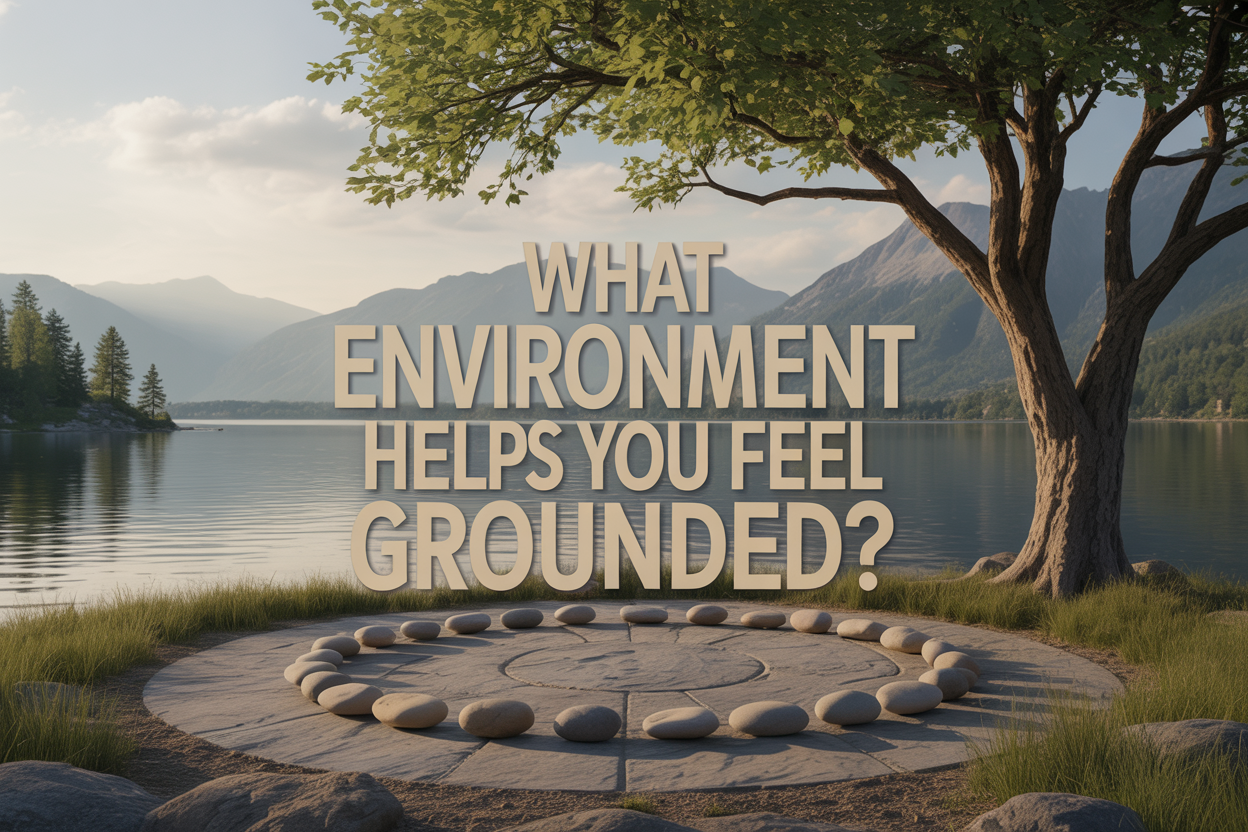
Finding the right environment to feel grounded can transform your mental and spiritual wellbeing. This reflection prompt explores environmental and spiritual health for anyone seeking deeper self-awareness and inner peace—whether you're new to mindfulness practices, dealing with stress, or simply wanting to create more meaningful spaces in your life.
Your surroundings directly impact how centered and connected you feel. Some people find their grounding environment in bustling coffee shops, while others need complete silence in nature. Some feel most at peace in their bedroom sanctuary, while others thrive in community gardens or spiritual centers.
We'll explore how to identify your personal grounding needs and discover which environments truly support your wellbeing. You'll learn practical ways to create sacred indoor spaces that nurture your spirit and strengthen your connection to yourself. We'll also look at the science behind how different environments affect your nervous system and overall health.
Understanding Your Personal Grounding Needs
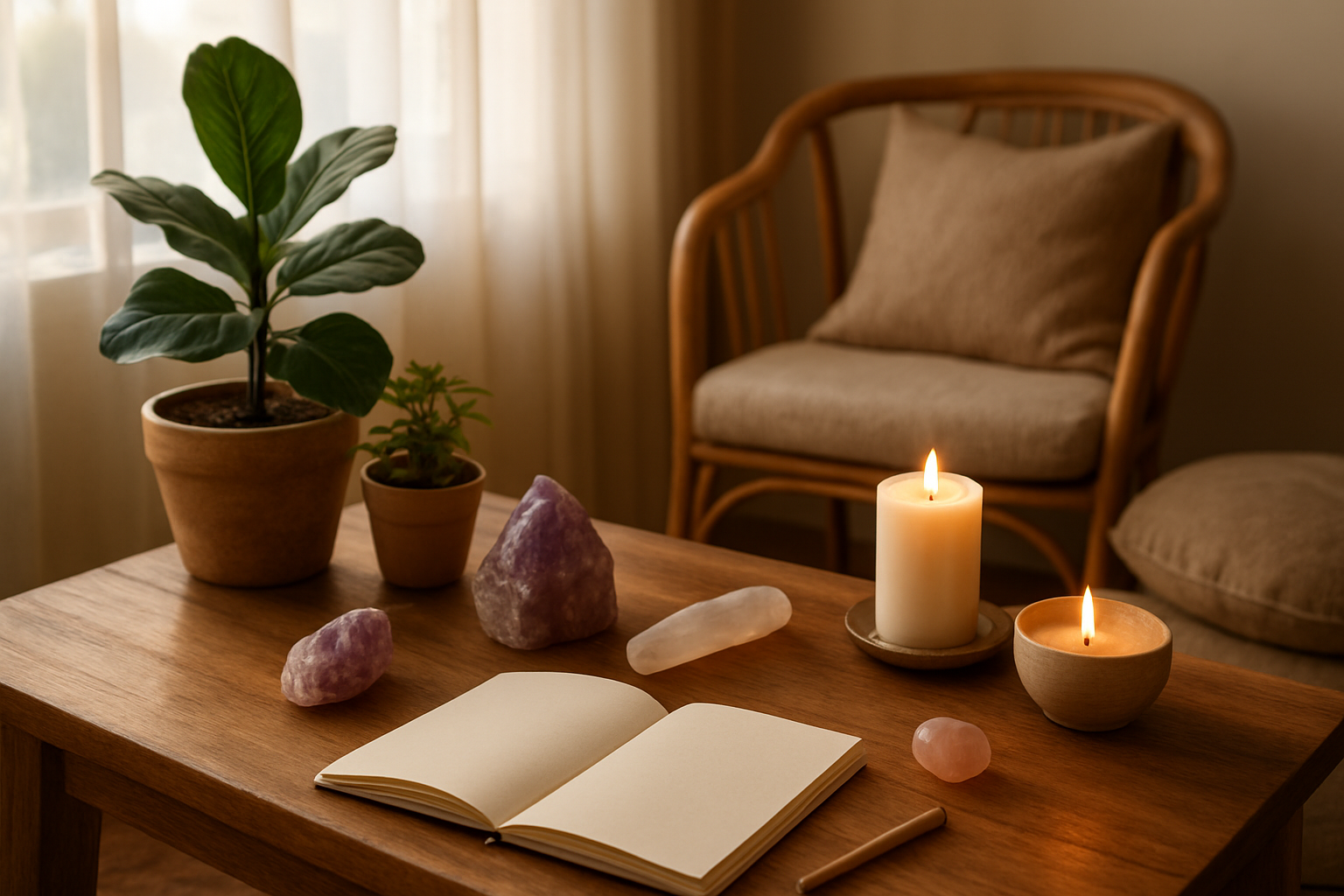
Identifying signs when you feel ungrounded or disconnected
Your body and mind send clear signals when you're feeling ungrounded, though these messages can be subtle at first. Physical symptoms often show up as restlessness - maybe you find yourself pacing around your living room or constantly fidgeting with your phone. You might notice tension creeping into your shoulders or a general feeling of being "wired but tired."
Mental fog is another telltale sign. When you're disconnected from your grounding environment, decision-making becomes harder, and your thoughts might feel scattered or overwhelming. You could find yourself scrolling social media endlessly without really absorbing anything, or starting tasks but struggling to finish them.
Emotionally, disconnection often manifests as irritability over small things that wouldn't normally bother you. You might feel anxious about situations that typically don't stress you out, or experience a vague sense of dissatisfaction even when everything seems fine on paper. Sleep patterns frequently shift too - either you can't wind down at bedtime, or you wake up feeling unrested despite getting enough hours.
Pay attention to when these symptoms cluster together. They're your internal compass pointing you toward the need for a more grounding environment.
Recognizing your unique sensory preferences for stability
Every person has distinct sensory needs that help them feel centered and stable. Some people crave the sound of running water - whether that's a babbling brook, rainfall, or even a desktop fountain. Others find their equilibrium through tactile experiences like walking barefoot on grass, holding smooth stones, or wrapping themselves in soft blankets.
Visual preferences vary dramatically too. You might feel most grounded surrounded by earth tones and natural textures, while your friend finds peace in bright, airy spaces with lots of white and natural light. Some people need visual complexity - think lush gardens or rooms filled with meaningful objects - while others require visual simplicity to feel calm.
Temperature and air quality play crucial roles as well. Notice whether you feel more centered in cool, crisp environments or warm, cozy spaces. Fresh air might be essential for your wellbeing, or you might prefer the controlled atmosphere of indoor spaces.
Start paying attention to your automatic responses in different environments. Do you immediately feel calmer when you smell certain scents like lavender or pine? Does the feeling of sand between your toes instantly relax you? These automatic positive responses are clues to your unique grounding preferences.
Assessing how different spaces affect your energy levels
Your energy levels fluctuate based on your environment more than you might realize. Start tracking how you feel in various spaces throughout your day. In your bedroom, do you feel energized and ready to tackle the day, or sluggish and reluctant to get moving? Your kitchen might make you feel creative and nourished, while your office could either inspire focus or drain your motivation.
Different rooms in your home likely affect you differently based on lighting, color schemes, organization levels, and the activities you associate with each space. A cluttered desk might make you feel overwhelmed before you even sit down, while a tidy space with natural light could boost your productivity instantly.
Outdoor environments often have distinct energy signatures too. Urban settings might energize some people with their bustling activity, while others find cities depleting and need quiet natural spaces to recharge. Beach environments typically have different effects than mountain settings, and even the time of day in these places can shift your energy levels.
Keep a simple journal for a week noting your energy on a scale of 1-10 in different locations. Include factors like weather, time of day, and who else was present. This practice will reveal patterns about which environments naturally support your wellbeing and which ones consistently drain you, giving you valuable data for creating your ideal grounding spaces.
Natural Environments That Foster Inner Peace

Forest and woodland settings for mental clarity
Something magical happens when you step into a forest. The Japanese have a word for it—shinrin-yoku, or forest bathing—and science backs up what many of us already know intuitively. Walking among trees doesn't just feel good; it literally changes your brain chemistry. The phytoncides released by trees boost your immune system while reducing cortisol levels, creating an ideal environment for clear thinking.
The dappled light filtering through leaves creates a natural rhythm that helps quiet mental chatter. Your eyes naturally relax as they adjust to the softer, filtered sunlight, and this visual rest translates to mental rest. The sounds of rustling leaves, bird calls, and distant wildlife create a natural soundtrack that promotes focus without overstimulation.
Different types of forests offer unique benefits. Pine forests carry that crisp, clean scent that seems to clear mental fog instantly. Deciduous woods provide seasonal variety, offering the fresh green energy of spring, the full canopy shelter of summer, the transformative colors of autumn, and the stark clarity of winter. Even a small grove of trees in an urban park can provide this grounding effect—you don't need wilderness to tap into nature's mental clarity benefits.
Ocean and water bodies for emotional release
Water has this incredible ability to mirror our emotional states while simultaneously helping us process them. Standing at the ocean's edge, watching waves crash and retreat, creates a natural meditation that helps release built-up emotional tension. The rhythmic sound of waves naturally synchronizes with your breathing, encouraging deeper, more relaxed breaths that activate your parasympathetic nervous system.
The negative ions generated by moving water—whether ocean waves, waterfalls, or rushing streams—actually increase serotonin levels in your brain. This biochemical boost explains why you feel so refreshed and emotionally lighter after spending time near water. The vast expanse of ocean or lake provides perspective that makes daily worries feel smaller and more manageable.
Different water environments serve different emotional needs:
-
Ocean shores: Perfect for releasing anger, grief, or overwhelming emotions through the powerful energy of waves
-
Calm lakes: Ideal for introspection and gentle emotional processing
-
Rivers and streams: Great for feeling a sense of movement and flow when you're feeling stuck
-
Waterfalls: Excellent for feeling energized and cleansed of negative emotions
Even the sound of water has therapeutic properties. Many people find that listening to water sounds helps them process emotions they've been suppressing, creating a safe space for feelings to surface and flow through naturally.
Mountain landscapes for perspective and strength
Mountains offer something unique that flat landscapes simply can't provide—literal and metaphorical elevation. When you're physically higher up, looking down at the world below, your problems naturally shrink in comparison. This shift in perspective isn't just psychological; it's deeply grounding and helps you reconnect with what truly matters.
The challenge of hiking uphill or simply being in mountainous terrain builds both physical and mental resilience. Each step up a mountain path requires presence and determination, pulling you out of anxious thoughts and into your body. The thinner air at higher elevations also forces deeper, more intentional breathing, which naturally calms your nervous system.
Mountain environments teach patience and respect for natural forces beyond your control. Weather can change quickly, paths can be challenging, and the landscape demands humility. These lessons translate beautifully to daily life, helping you approach challenges with greater equanimity and inner strength.
The silence found in mountains is different from other quiet places. It's a profound, almost sacred silence that allows you to hear your own thoughts clearly. This clarity helps you distinguish between what's urgent and what's important, making mountains ideal for major life decisions or when you need to reconnect with your core values.
Garden spaces for nurturing and growth
Gardens represent the perfect balance between nature and human intention. Whether you're working in your own backyard garden or visiting a botanical space, gardens offer a unique grounding experience centered around growth, cycles, and nurturing. The act of tending plants—watering, pruning, planting—creates a meditative rhythm that connects you to natural cycles and seasonal changes.
Working with soil literally grounds you through direct contact with the earth. This physical connection has measurable effects on your nervous system, reducing stress hormones and promoting feelings of calm and connection. The microorganisms in soil can actually boost serotonin production, explaining why gardening often feels so therapeutic.
Garden spaces teach patience in the most beautiful way. Seeds don't sprout overnight, flowers bloom in their own time, and seasons change at their own pace. This natural timing helps counteract our culture's obsession with instant results, reconnecting you with more sustainable rhythms of growth and rest.
Different garden styles offer various grounding benefits:
| Garden Type | Grounding Benefits |
|---|---|
| Vegetable gardens | Connection to nourishment and practical creation |
| Flower gardens | Beauty, color therapy, and seasonal awareness |
| Herb gardens | Sensory engagement through touch and smell |
| Zen or meditation gardens | Simplicity, focus, and contemplative space |
| Wild or native gardens | Connection to local ecosystem and natural processes |
Community gardens add another layer of grounding through shared purpose and connection with others who value growth and nurturing. Even small container gardens on balconies or windowsill herb collections can provide this nurturing, growth-oriented grounding experience in urban environments.
Creating Sacred Indoor Spaces for Spiritual Connection
Designing a dedicated meditation or prayer area
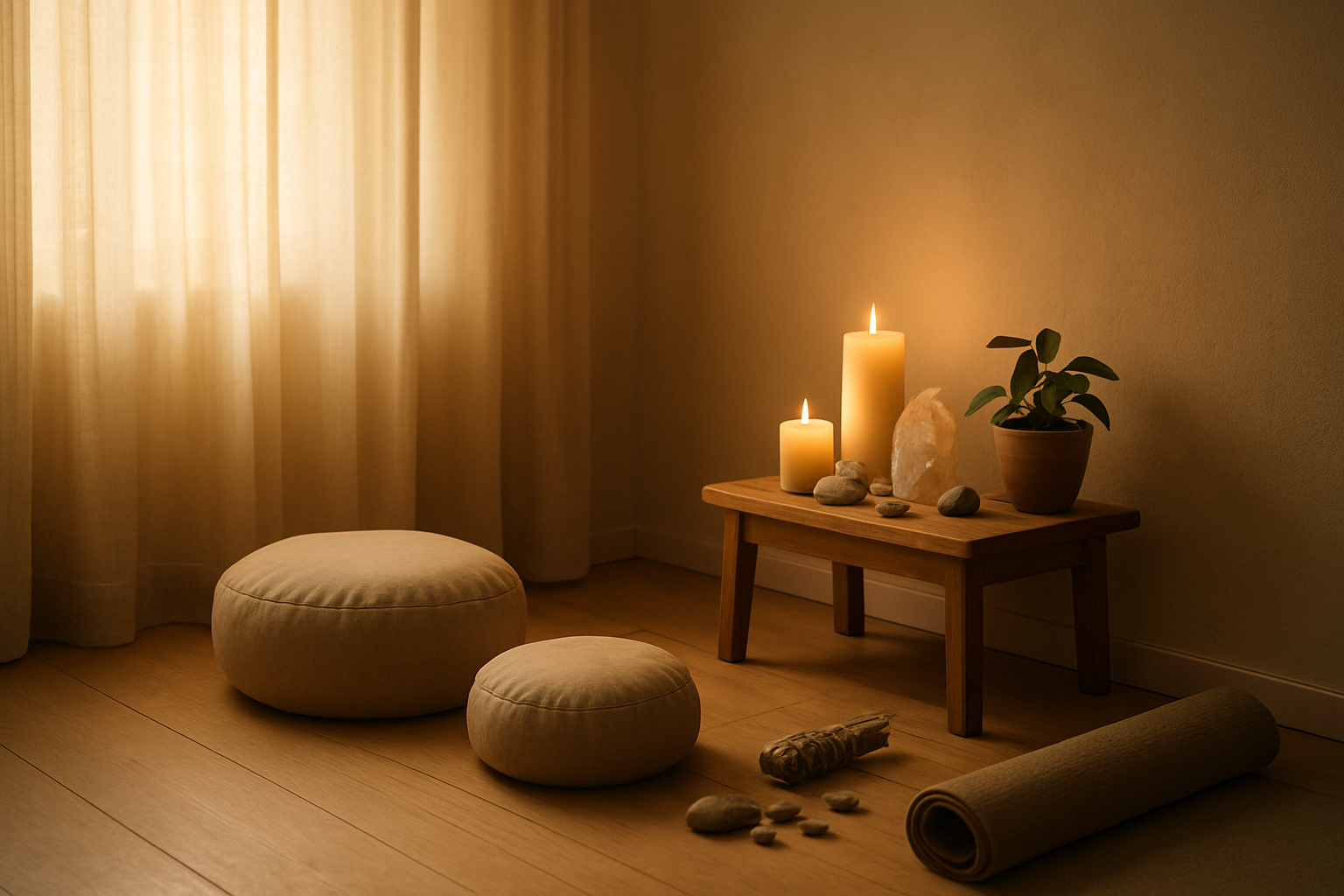
Your home deserves a quiet corner that calls to your soul. Start by choosing a spot that feels naturally peaceful—maybe near a window with soft light, or in a room where household noise doesn't intrude. Size doesn't matter as much as intention. Even a small corner can become deeply sacred when you treat it with reverence.
Consider the direction you face during your practice. Many traditions suggest facing east for new beginnings or toward a meaningful view. Place a comfortable cushion, mat, or chair as your anchor point. This becomes your consistent spot, training your mind to recognize it as a space for inner work.
Keep meaningful objects nearby—perhaps a small altar with photos, crystals, religious symbols, or items from nature. These visual cues help shift your mental state the moment you enter the space. Avoid overwhelming the area; simplicity often creates the most powerful atmosphere for spiritual connection.
Incorporating natural elements into your living space
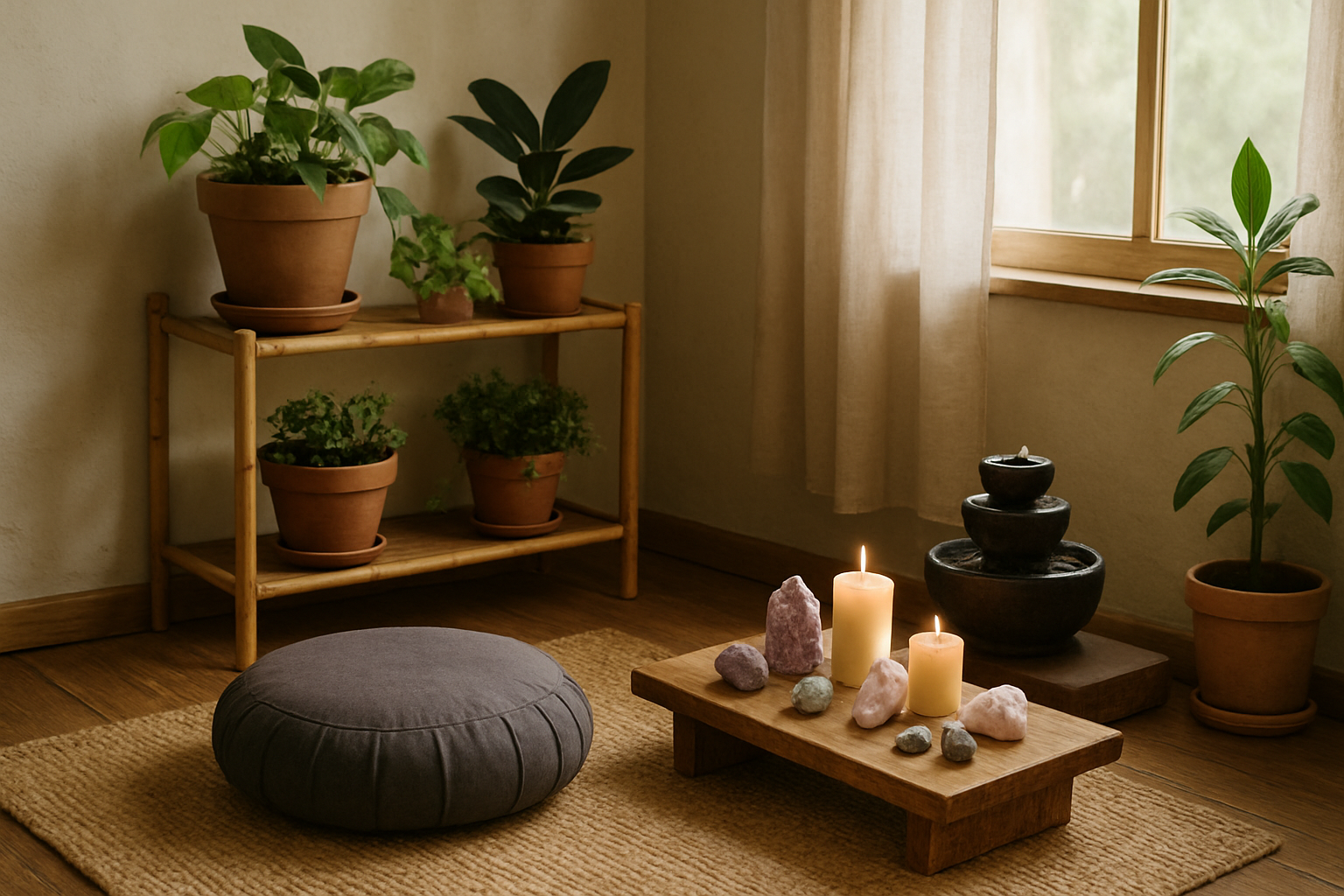
Bringing nature indoors creates an immediate sense of grounding and connection to something larger than yourself. Plants do more than purify air—they remind us of life's natural rhythms and cycles. Choose varieties that thrive in your space's lighting conditions, from low-maintenance snake plants to vibrant pothos that cascade from shelves.
Water features add both movement and sound that naturally calm the nervous system. A small tabletop fountain or even a bowl of water can create this effect. The gentle sound masks distracting background noise while providing a focal point for meditation.
Natural textures and materials ground your space in earth's energy. Replace synthetic items gradually with wood, stone, bamboo, or natural fibers. Even small changes—like switching to wooden bowls or adding a wool throw—create subtle shifts that support your wellbeing.
Using lighting and aromatherapy to enhance tranquility
Light dramatically affects your mood and spiritual state. Harsh overhead lighting rarely supports contemplation or peace. Instead, create layers of soft illumination. Candles provide the most ancient and sacred form of light, their flickering flames naturally drawing your attention inward. Salt lamps offer warm, steady glows that many find soothing.
Natural light changes throughout the day, connecting you to Earth's rhythms. Position your sacred space to catch morning or evening light when possible. If natural light is limited, full-spectrum bulbs mimic sunlight and support your circadian rhythms.
Scent bypasses rational thought and speaks directly to your emotional center. Essential oils like lavender, frankincense, or cedar can transform any space into a sanctuary. Experiment with different delivery methods—diffusers for consistent scenting, or applying oils to pulse points for personal aromatherapy during meditation.
Organizing clutter-free zones for mental clarity
Physical clutter creates mental static that interferes with spiritual practice. Your environment should support focus, not compete for attention. Start by clearing surfaces in your sacred area, leaving only items that serve your practice or bring joy.
Create designated homes for everything in your space. When objects have specific places, maintaining order becomes effortless. This practice extends beyond your meditation corner—a generally organized living space supports the calm mindset that makes spiritual practice possible.
Visual noise includes too many patterns, colors, or decorative items competing for attention. Choose a simple color palette that feels peaceful to you. Neutral tones often work well, but don't ignore colors that personally resonate—perhaps the blue of your favorite sky or the green of a meaningful forest.
Storage solutions should be both functional and beautiful. Baskets, boxes, or furniture that conceals items help maintain clean lines while keeping necessities accessible. When your space feels spacious and organized, your mind naturally follows suit.
The Science Behind Environment and Wellbeing

How nature exposure reduces stress hormones
When you step outside into a green space, your body starts an incredible biochemical dance that scientists have been studying for decades. Research consistently shows that spending time in natural environments triggers a measurable drop in cortisol, your body's primary stress hormone. A study published in Environmental Health and Preventive Medicine found that participants who took a 15-minute forest walk experienced a 16% decrease in cortisol levels compared to those who walked in urban areas.
The mechanism behind this response involves your parasympathetic nervous system - the part that helps you rest and digest. Natural environments activate this "calm" system while simultaneously dampening your sympathetic nervous system's fight-or-flight response. Even viewing nature through a window can lower cortisol production, though direct outdoor exposure provides the strongest benefits.
What makes this particularly fascinating is the speed at which these changes occur. Within just five minutes of nature exposure, your blood pressure begins to drop and your heart rate variability improves. The Japanese practice of "forest bathing" or shinrin-yoku has documented these effects extensively, showing that phytoncides - airborne chemicals emitted by plants - actually boost immune function while reducing stress hormones.
The grounding effect you feel in nature isn't just emotional; it's a measurable physiological shift that creates the perfect foundation for spiritual connection and inner peace.
The impact of color and texture on mood regulation
Your brain processes visual information at lightning speed, and colors trigger immediate emotional and physiological responses that directly influence your sense of being grounded. Blue tones, commonly found in sky and water, activate the production of serotonin while lowering blood pressure and heart rate. This explains why ocean views or even blue-painted walls can instantly calm your nervous system.
Green, the dominant color in most natural landscapes, sits perfectly in the middle of the visible light spectrum, requiring minimal eye strain to process. This creates a sense of visual balance that translates into emotional equilibrium. Studies using EEG technology show that exposure to green environments increases alpha brain wave activity, associated with relaxed alertness and creativity.
Earth tones - browns, tans, and warm oranges - connect us to feelings of stability and security. These colors mirror the natural world's foundation elements: soil, stone, and tree bark. When incorporated into your grounding space, they create psychological anchors that help you feel centered and secure.
Texture plays an equally important role in mood regulation. Rough, natural textures like stone, wood grain, or woven fibers activate your tactile senses in ways that smooth, synthetic materials cannot. This tactile engagement helps pull you into the present moment - a core component of feeling grounded. The contrast between different textures creates sensory richness that keeps your nervous system engaged without overwhelming it.
Sound environments that promote relaxation and focus
Your auditory environment shapes your mental state more powerfully than you might realize. Natural soundscapes - flowing water, rustling leaves, or gentle rain - create what acoustics researchers call "pink noise," a frequency pattern that promotes deep relaxation and enhances cognitive performance. Unlike the harsh, unpredictable sounds of urban environments, natural sounds follow organic rhythms that sync with your brainwaves.
Water sounds deserve special attention for their grounding properties. The consistent, rhythmic flow of streams, fountains, or rain creates a masking effect that reduces cortisol while promoting the production of dopamine and serotonin. Brain imaging studies reveal that water sounds activate the same neural pathways as meditation, explaining why many people find fountains or rain apps so centering.
Bird songs operate at frequencies that naturally calm the human nervous system. Research from California Polytechnic State University found that listening to bird sounds for just 10 minutes reduced anxiety and improved attention spans by up to 20%. The varied but predictable patterns in birdsong seem perfectly designed to soothe human stress responses.
Silence, often overlooked, creates space for your nervous system to reset. True quiet allows you to hear subtle internal rhythms - your heartbeat, breath, and the gentle hum of your body's systems. This internal awareness becomes a powerful anchor for spiritual practice and emotional regulation.
Creating layers of sound - perhaps gentle background water sounds with occasional natural elements like wind chimes - gives you dynamic yet peaceful auditory landscapes that support both relaxation and focused spiritual work.
Practical Steps to Cultivate Your Grounding Environment
Daily rituals to connect with your chosen space
The most powerful grounding environments aren't just places you visit—they're spaces you actively commune with through intentional practice. Start your day by spending five quiet minutes in your grounding space, whether that's a corner of your bedroom, a garden spot, or even a specific chair by the window. Use this time to breathe deeply and set your intentions for the day ahead.
Evening rituals are equally important for releasing the day's accumulated stress. Create a simple closing ceremony where you acknowledge the space that held you through another day. This might involve lighting a candle, saying a brief gratitude prayer, or simply sitting in silence while mentally releasing any tension you've carried home.
Physical interaction with your environment deepens the connection. Touch the bark of a favorite tree, feel the texture of a meaningful stone, or run your hands through the soil of your plants. These tactile experiences anchor your nervous system and create embodied memories of peace and safety.
Consider incorporating seasonal elements that keep your rituals fresh and aligned with natural cycles. In winter, you might focus on warmth and introspection with soft lighting and warm beverages. Summer rituals could emphasize growth and expansion with fresh flowers and open windows.
Seasonal adjustments to maintain environmental harmony
Your grounding environment should breathe and change with the natural world around you. Spring calls for clearing out stagnant energy accumulated during winter months. Open windows to let fresh air circulate, introduce new plants or flowers, and consider rearranging furniture to create better energy flow.
Summer grounding spaces thrive with abundance and light. If your sacred space is outdoors, embrace the longer days by extending your morning or evening practices. Indoor spaces benefit from lighter fabrics, fresh flowers, and elements that connect you to the vibrant energy outside your walls.
Autumn brings the wisdom of release and preparation. This is the perfect time to declutter your grounding space, keeping only items that truly serve your wellbeing. Add warm colors through cushions, blankets, or seasonal decorations that honor the harvesting energy of fall.
Winter environmental adjustments focus on creating cozy refuge from the outer world's dormancy. Introduce soft lighting through candles or warm lamps, add layers of comfortable textures, and create intimate spaces that feel like protective cocoons for inner reflection.
| Season | Key Adjustments | Focus Energy |
|---|---|---|
| Spring | Fresh air, new plants, rearranging | Renewal and clearing |
| Summer | Extended light exposure, vibrant elements | Growth and expansion |
| Autumn | Decluttering, warm colors | Release and preparation |
| Winter | Soft lighting, cozy textures | Introspection and rest |
Building portable grounding practices for any location
Life doesn't always allow us to retreat to our perfect grounding spaces, but you can carry the essence of environmental connection wherever you go. Develop a portable toolkit of items that instantly create familiar, grounding energy in any location.
Small objects with personal significance become powerful anchors. This might be a smooth stone from your favorite beach, a small vial of essential oil that reminds you of your garden, or a piece of jewelry that carries special meaning. These items serve as touchstones that help you access your grounded state regardless of external circumstances.
Breathing practices are perhaps the most portable grounding tools available. Learn to use your breath to create an invisible sanctuary around yourself. The 4-7-8 breathing pattern (inhale for 4, hold for 7, exhale for 8) can shift your nervous system into a more grounded state within minutes, whether you're in a busy airport or a stressful meeting.
Visualization techniques allow you to mentally transport yourself to your most grounding environment. Spend time memorizing the sensory details of your favorite peaceful place—the sounds, smells, textures, and visual elements. With practice, you can mentally visit this space and access its calming effects wherever you are.
Create simple rituals that work in any environment. This might be placing your hand on your heart and taking three deep breaths, silently repeating a meaningful phrase, or briefly connecting with the ground beneath your feet, even through shoes and floors.
Maintaining boundaries to protect your sacred spaces
Your grounding environment needs protection from the chaos and demands of daily life. This doesn't mean being rigid or unwelcoming, but rather being intentional about how and when you share these sacred spaces with others.
Physical boundaries start with designating specific areas for grounding practices. If you live with others, communicate clearly about your need for certain times or spaces to remain quiet and undisturbed. This might mean asking family members to respect your morning meditation corner or keeping your bedroom sanctuary free from work-related materials.
Time boundaries are equally important. Protect certain hours of the day for connecting with your grounding environment, treating these appointments with yourself as seriously as you would any other important commitment. Turn off phones, close laptops, and create clear separation between your grounding time and the rest of your responsibilities.
Energetic boundaries involve being selective about what energy you allow into your sacred spaces. This means avoiding difficult conversations in your meditation area, keeping work stress out of your bedroom sanctuary, and regularly cleansing the space of any accumulated tension through smudging, sound clearing, or simply opening windows and letting fresh air circulate.
Learn to recognize when your boundaries have been compromised and develop quick restoration practices. Sometimes this means spending extra time in nature to rebalance after a particularly stressful period, or performing a deeper cleansing ritual in your indoor spaces to clear unwanted energy.
Remember that boundaries aren't walls—they're more like garden gates that you can open and close as needed, always maintaining your ability to control what enters your most sacred spaces.
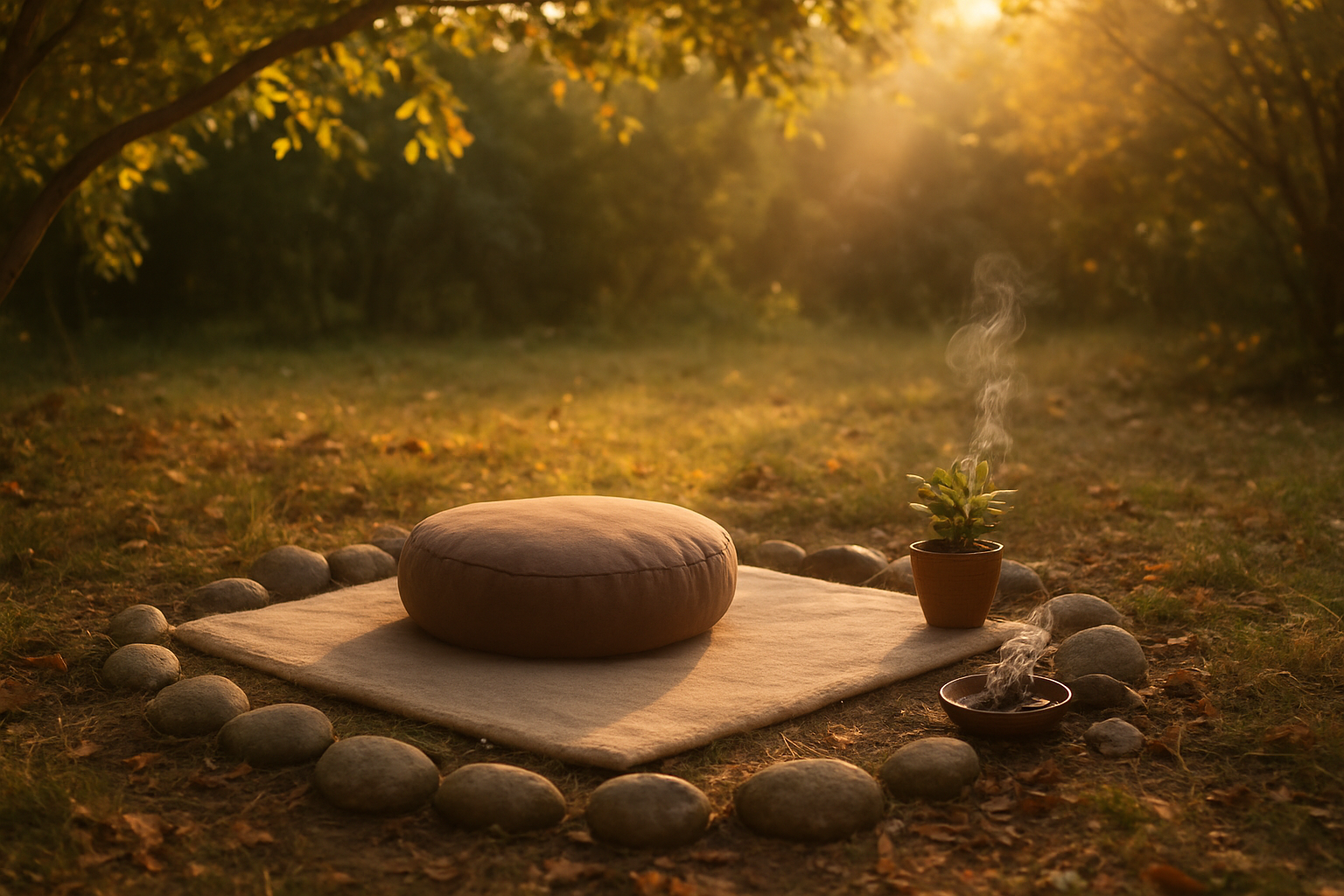
Finding the right environment to feel grounded isn't just about personal preference—it's about understanding what your mind, body, and spirit truly need to thrive. Whether you're drawn to the rustling leaves of a forest, the steady rhythm of ocean waves, or the quiet corner of your home filled with meaningful objects, these spaces serve as anchors in our busy lives. The science backs up what many of us already feel: our surroundings have a real impact on our stress levels, mood, and overall sense of peace.
The beauty of creating your grounding environment is that it's completely personal to you. Start small by paying attention to where you naturally feel most calm and centered, then work on bringing those elements into your daily life. Maybe it's adding plants to your workspace, creating a meditation corner with soft lighting, or simply making time to step outside each day. Your grounding space doesn't have to be perfect or Instagram-worthy—it just needs to feel like home to your soul.


Leave a comment
This site is protected by hCaptcha and the hCaptcha Privacy Policy and Terms of Service apply.